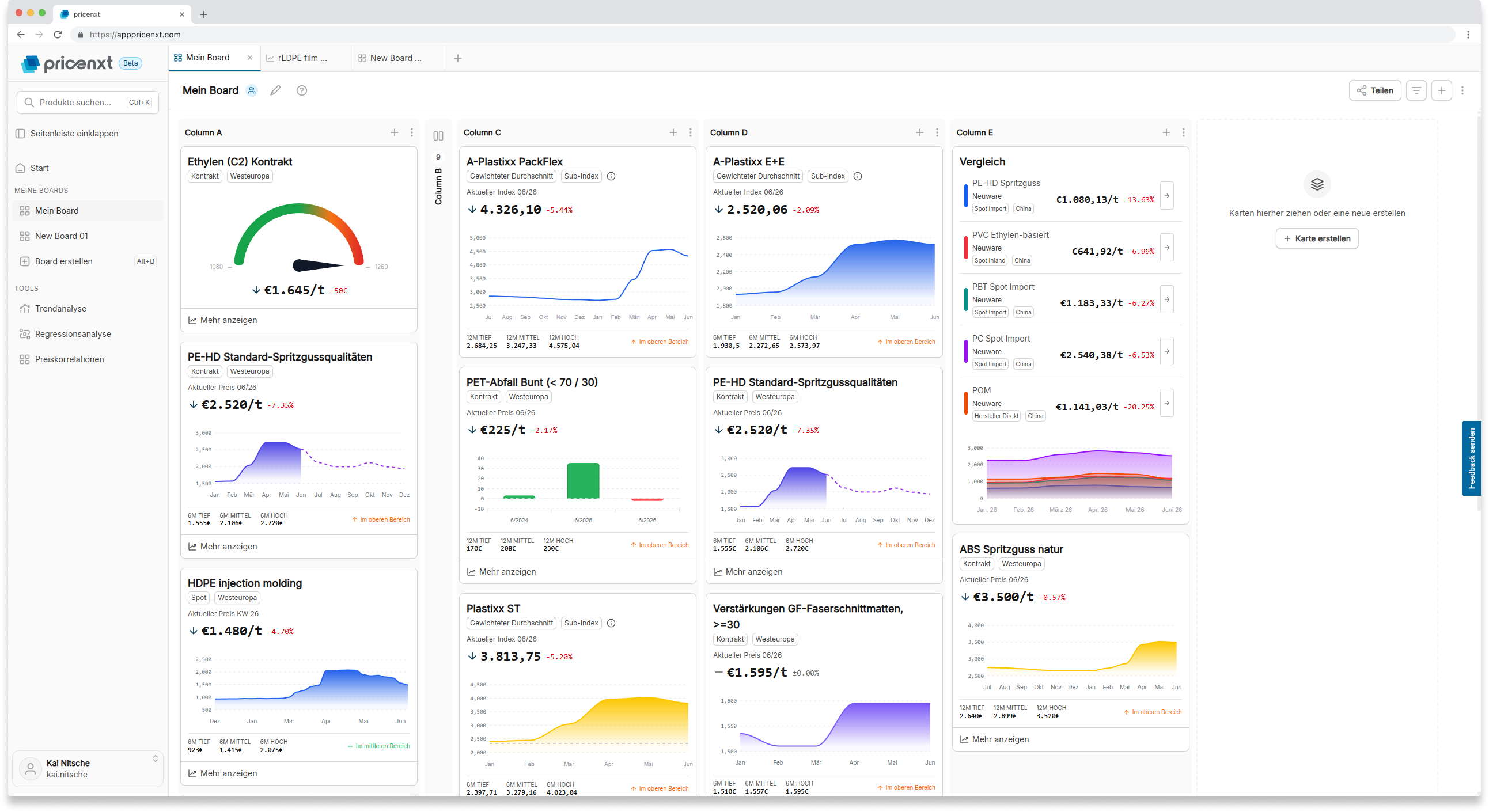


Plastics recyclatesPrice data available since 2001
Material price data: plastics recyclates
Secondary material price data brings together the cost base of the regranulates and helps place them against virgin material.
Companies that rely on pricenxt








What are plastics recyclates?
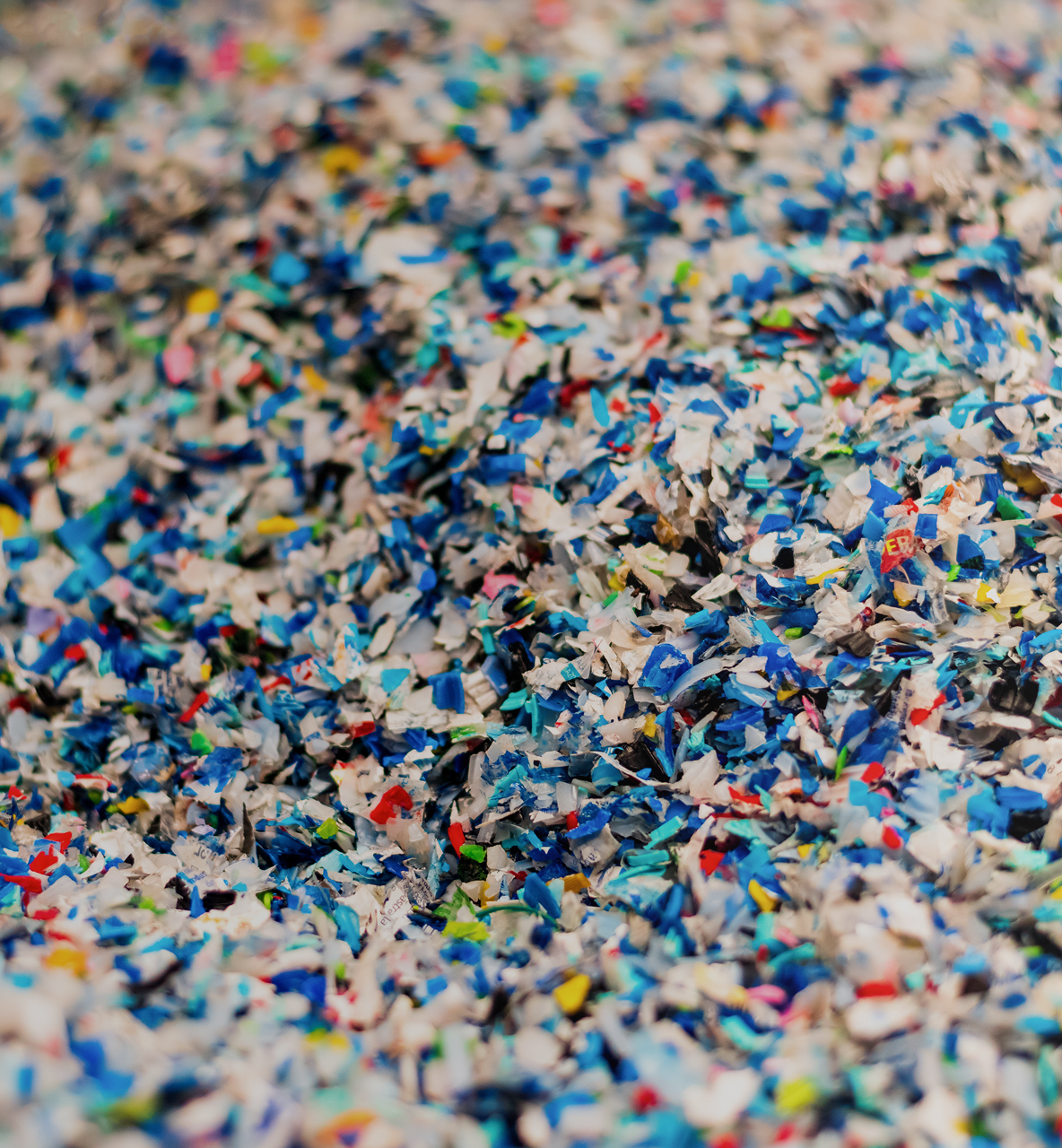
The plastics recyclates section covers a range of secondary materials – processed regranulates (rPE, rPET and rABS, for example) and recyclates that can be used in place of virgin material.
Added to these are collected plastics waste and the regrind obtained from it, which can be processed into granulate.
For procurement, pricing, and commercial teams, this overview brings the related price series together in one place.
Added to these are collected plastics waste and the regrind obtained from it, which can be processed into granulate.
For procurement, pricing, and commercial teams, this overview brings the related price series together in one place.

Where is secondary material used?
Secondary material goes into packaging, construction products, consumer goods, and technical parts, frequently blended with virgin material.
The price development of virgin material above all, but regulatory requirements too, decides how much secondary material is processed; availability and a stable level of quality are decisive mainly in project business.
In pricenxt, individual secondary material price series can be related to virgin material price data by regression analysis.
The price development of virgin material above all, but regulatory requirements too, decides how much secondary material is processed; availability and a stable level of quality are decisive mainly in project business.
In pricenxt, individual secondary material price series can be related to virgin material price data by regression analysis.
Recycled, revalued, repriced: PCR plastics to 2032
The trend in prices for post-consumer plastic recyclate in Europe up to 2032. A forecast based on three scenarios.
Material types within secondary material
This group brings together the regranulate, recyclate, and waste pages – PE and PP recyclates, ABS, POM and PC regranulates and PET waste among them. Each tile leads to the relevant secondary material price series.
-
PP regranulateAnalyse PP regranulate prices in pricenxt, compare recyclate price series and keep track of developments for procurement and pricing.Learn more
-
polyamide regranulateKeep track of polyamide regranulate prices in pricenxt, compare PA 6 and PA 6.6 price series and save analyses to boards.Learn more
-
polyethylene regranulateAnalyse price data for polyethylene regranulate in pricenxt and keep track of recycling rates and the packaging, construction, and agricultural markets.Learn more
-
PET regranulate & flakesAnalyse price data for PET regranulate & flakes in pricenxt and keep track of the beverage, packaging, and fibre markets.Learn more
-
PET wasteAnalyse price data for PET waste in pricenxt and keep track of the cost base of the PET recycling chain.Learn more
-
ABS regranulateAnalyse price data for ABS regranulate in pricenxt and keep track of the housings, consumer goods, and automotive markets.Learn more
-
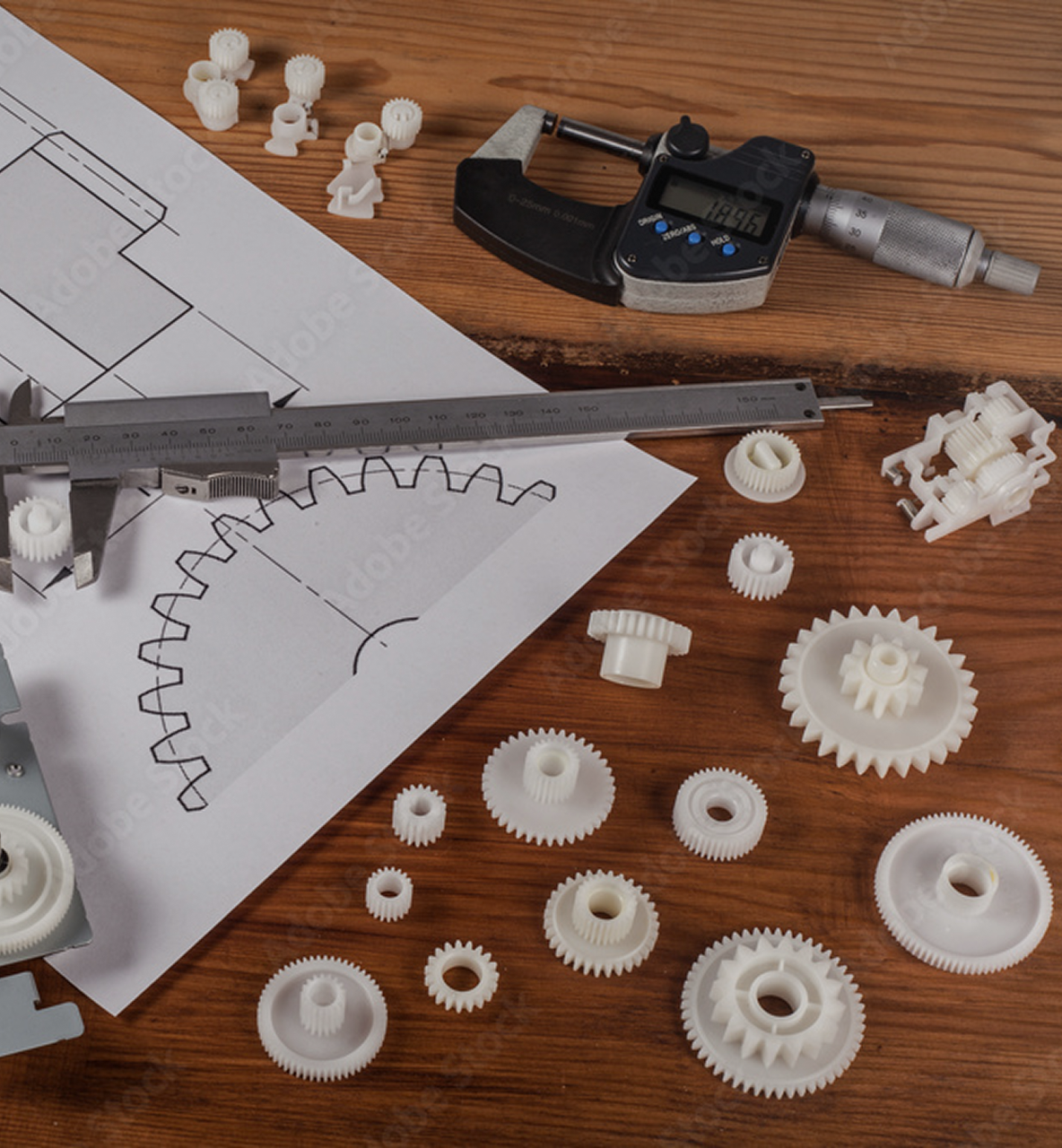
POM regranulateAnalyse price data for POM regranulate in pricenxt and keep track of the markets for functional and precision parts.Learn more
-
polycarbonate regranulateAnalyse price data for polycarbonate regranulate in pricenxt and keep track of the E&E, construction, and automotive markets.Learn more


pricenxt. Try it for 30 days.
Use pricenxt free for 30 days. Analyse price movements, forecasts and much more.
What defines recyclates?
Recyclates link the circular economy with material costs. Price series help place developments against virgin material transparently.
Secondary raw materials in the loop
Processed regranulates and waste replace virgin material and support recycling rates. Collection volumes and quality shape price formation.
- Regranulates: sorted, processed secondary plastics as a substitute for virgin material.
- Waste streams: collected post-consumer streams as feedstock.
- Circularity relevance: key to recycling rates and sustainable procurement.

Market relevance
Prices for plastics recyclates are relevant for companies that purchase, cost or have to account for recyclate and circular-economy materials in price negotiations.
- Procurement: teams can factor price movements into their purchasing plans at an early stage.
- Pricing: price series support structured discussions on material costs and price adjustment mechanisms.
- Controlling: price histories help document cost assumptions in a traceable way.
Analysis in pricenxt
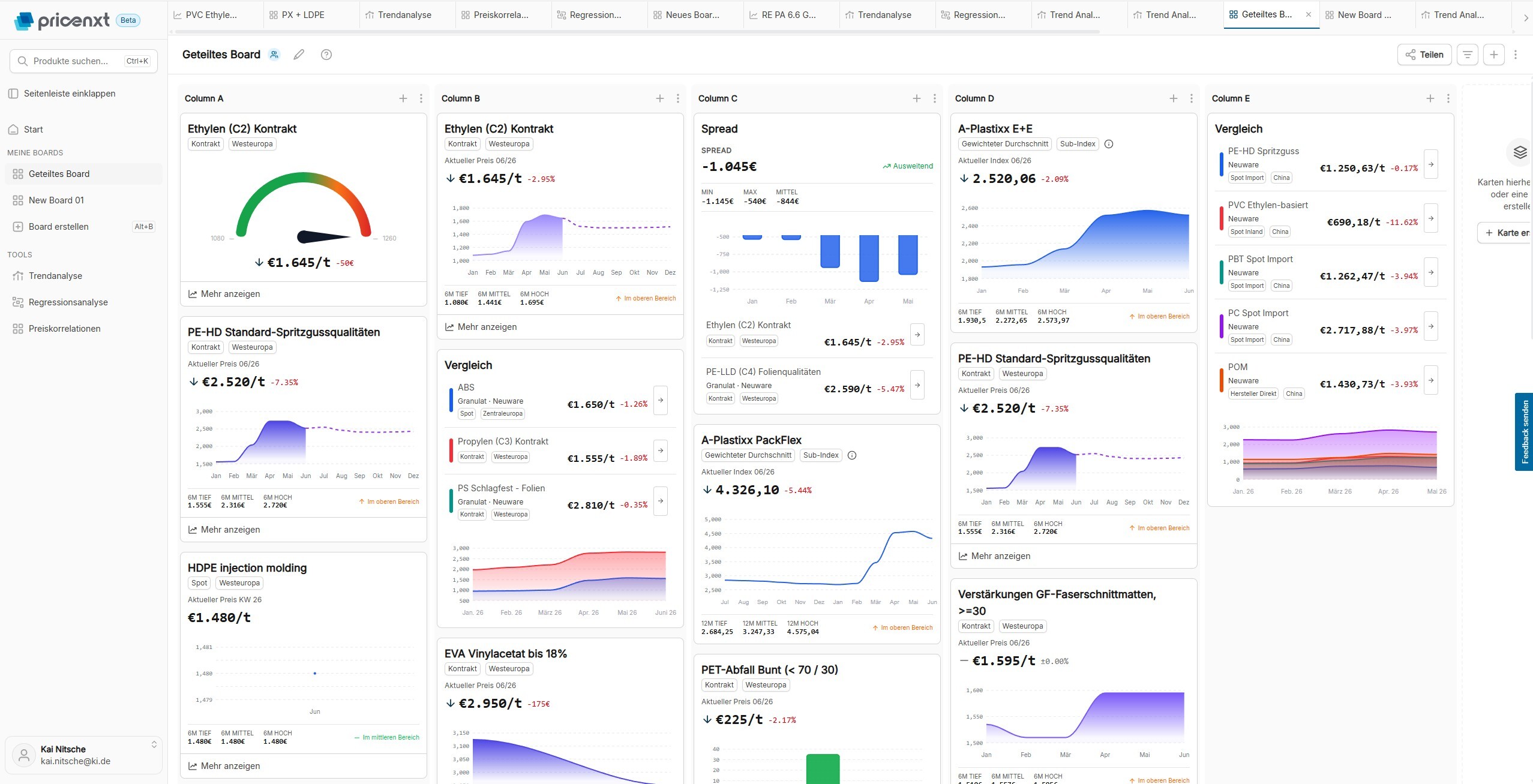
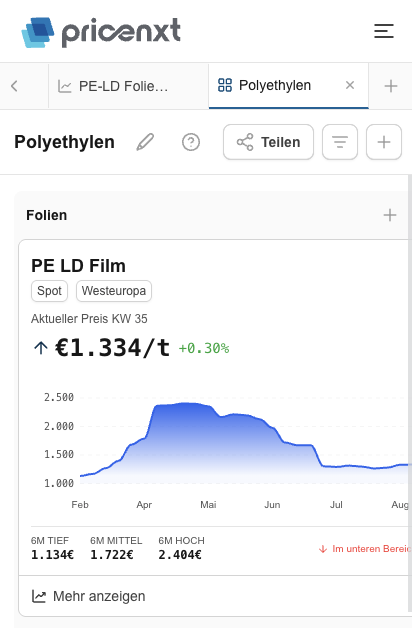
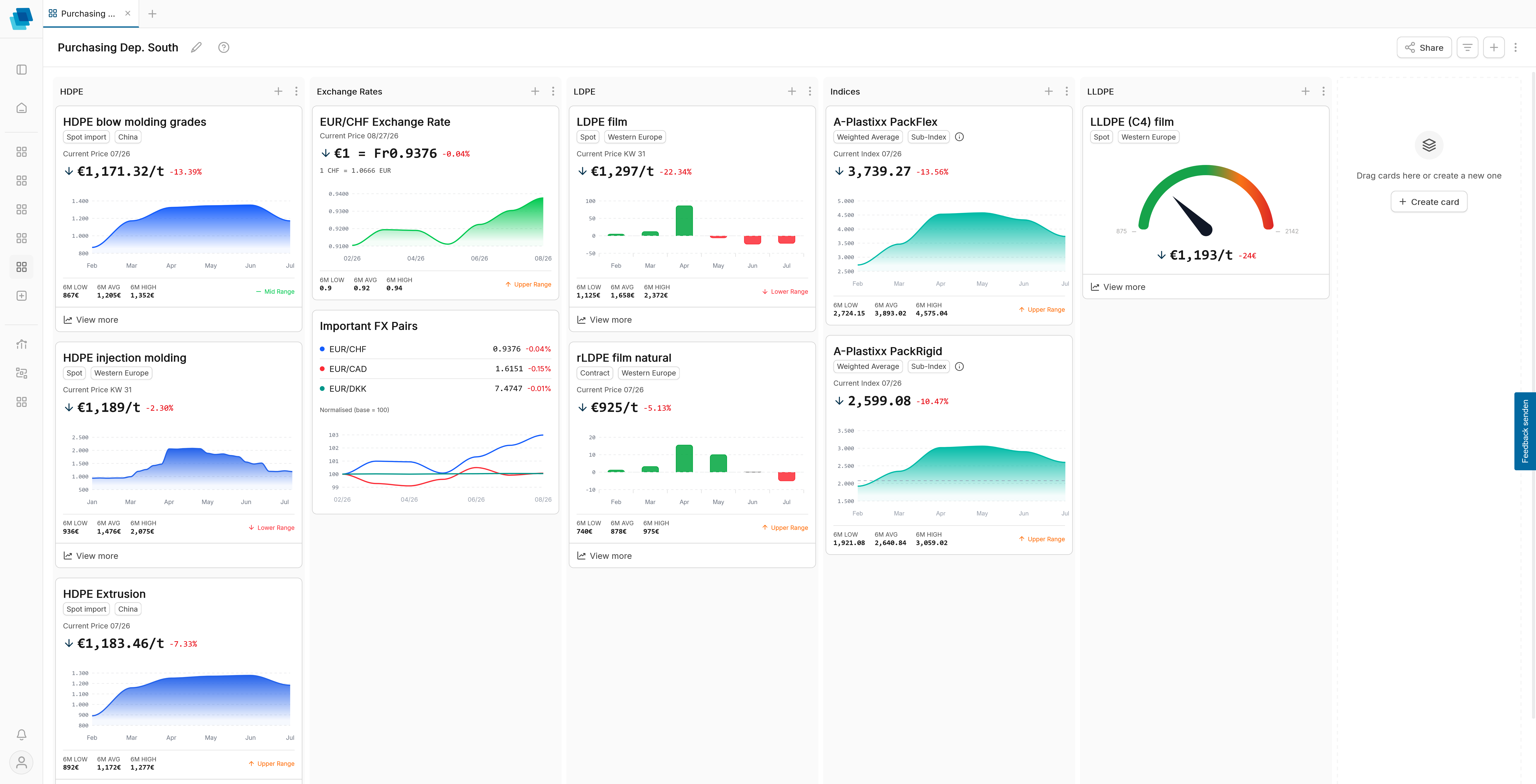
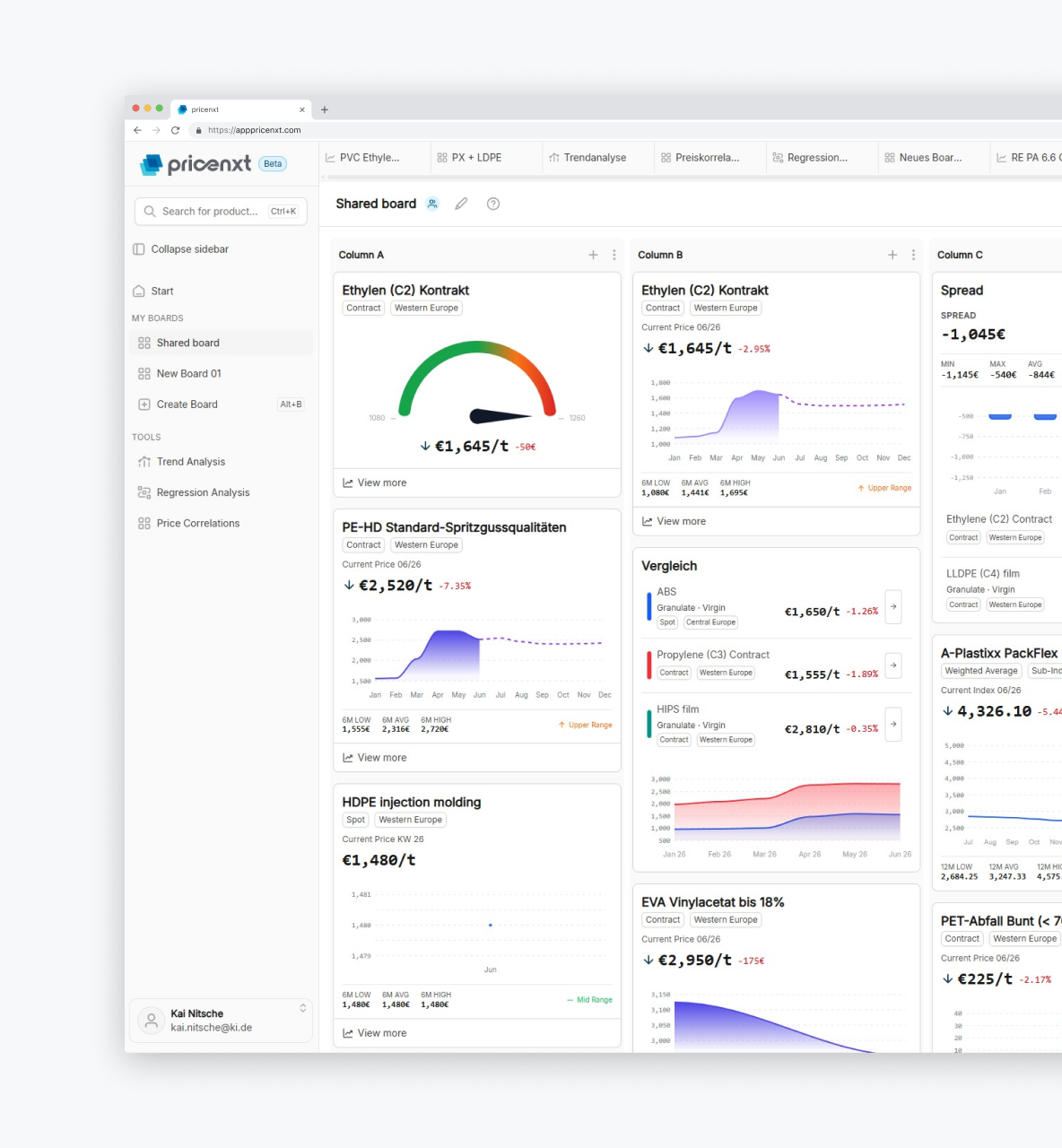
In pricenxt, price data on plastics recyclates can be analysed in a structured way using configurable filters, interactive charts, and boards.
- Variant comparison: different price series can be set against one another in a single chart.
- Period analysis: you choose the observation period freely and add trend lines or regressions.
- Saving to boards: relevant analyses can be saved as a card on a board and shared.
Track market trends. Free of charge.
Use our Plastixx and A-Plastixx indices free of charge, with no time limit. Track price developments for standard and engineering plastics, as well as across selected application markets.