

Polyamide regranulatePrice data available since 2001
Material price data for polyamide regranulate
Polyamide regranulate price data helps track and compare rPA 6 and rPA 6.6 price series for technical applications in a structured way.
Companies that rely on pricenxt










What is polyamide regranulate?
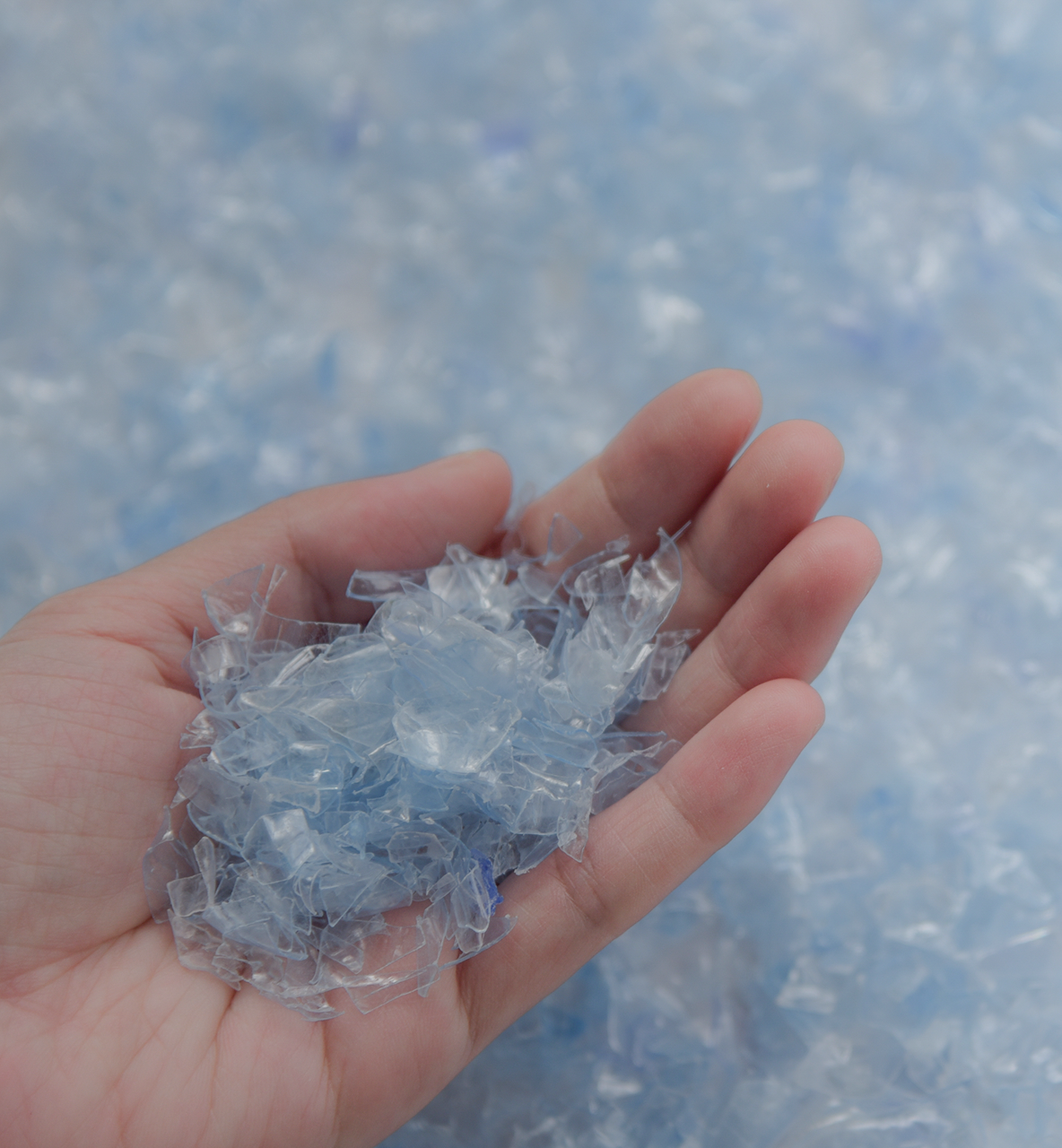
Regranulates based on polyamide 6 and polyamide 6.6 (rPA 6 / rPA 6.6) comprise reprocessed PA 6 and PA 6.6 grades, recovered predominantly from PIR (post-industrial recyclate) and pelletised again.
Depending on origin, glass fibre content, colour, and moisture uptake, properties can vary considerably. For technical applications, price series by type and grade are important in order to support procurement, calculation, and material approvals in a traceable way.
Depending on origin, glass fibre content, colour, and moisture uptake, properties can vary considerably. For technical applications, price series by type and grade are important in order to support procurement, calculation, and material approvals in a traceable way.
Where is polyamide regranulate used?
rPA 6 / rPA 6.6 are used in technical functional parts, automotive components, industrial components, housings, and mechanically stressed products.
Glass-fibre-reinforced grades are relevant where stiffness, heat deflection resistance and dimensional stability are required; unreinforced grades are used for more flexible application profiles.
Glass-fibre-reinforced grades are relevant where stiffness, heat deflection resistance and dimensional stability are required; unreinforced grades are used for more flexible application profiles.

Recycled, revalued, repriced: PCR plastics to 2032
The trend in prices for post-consumer plastic recyclate in Europe up to 2032. A forecast based on three scenarios.
Top 5 application markets for polyamide regranulate
pricenxt provides structured price data and analysis views for polyamide regranulate, supporting a consistent basis for planning, procurement, and pricing.
-
Engines & transmissionsEngine and transmission components use thermoplastics resistant to heat and media – price movements feed directly into component costs.Learn more
-
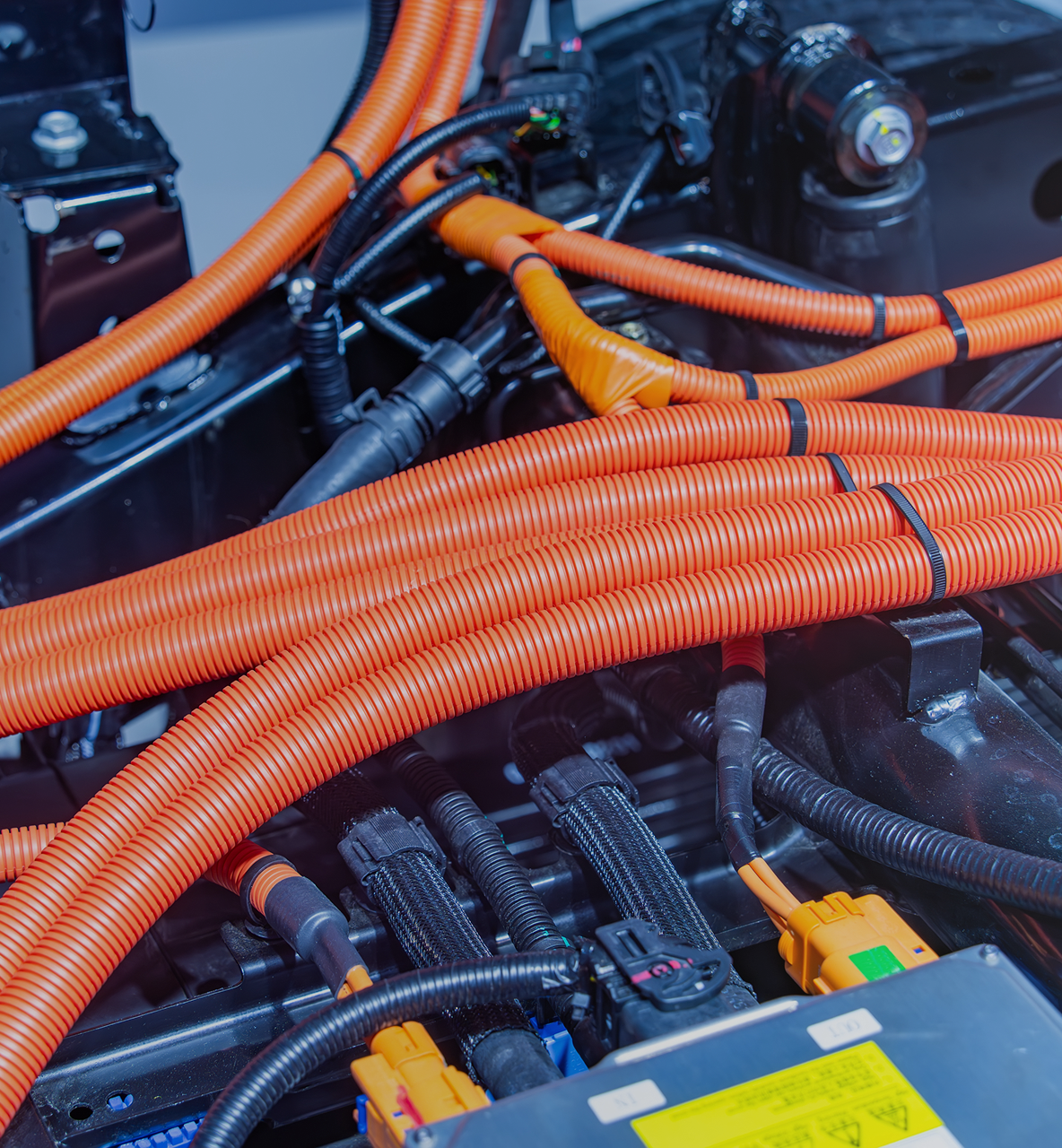
Automotive electrical systemsConnectors, housings and cables in on-board electrics use PA, PBT, and PVC – price movements feed directly into component costs.Learn more
-
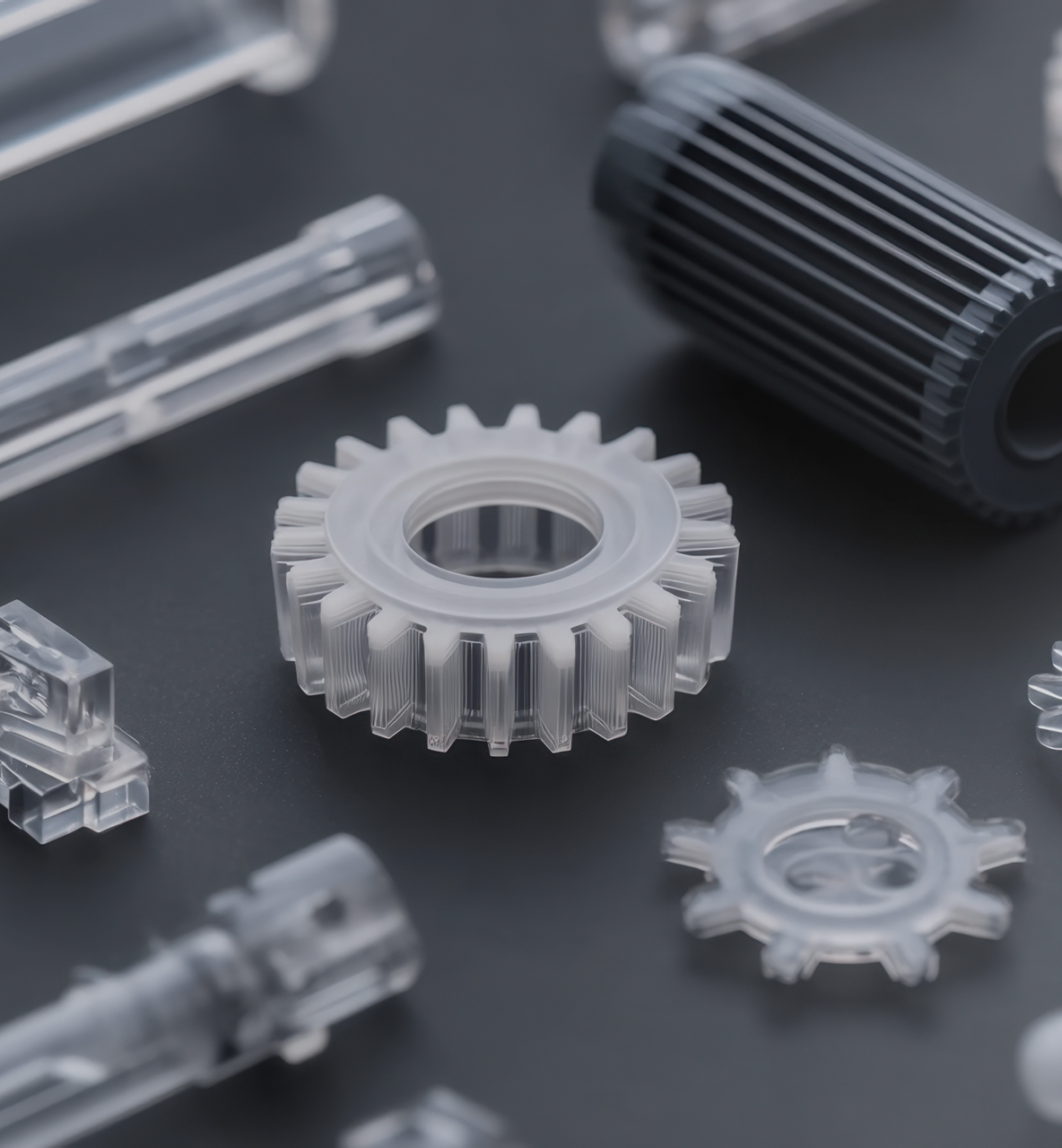
Functional partsFunctional parts such as gears and bearings need precise, wear-resistant plastics – POM and the polyamides dominate, and their prices count.Learn more
-
Housings & coversHousings and covers use ABS, PC, and PC/ABS blends – appearance, impact resistance and material costs depend directly on polymer prices.Learn more
-
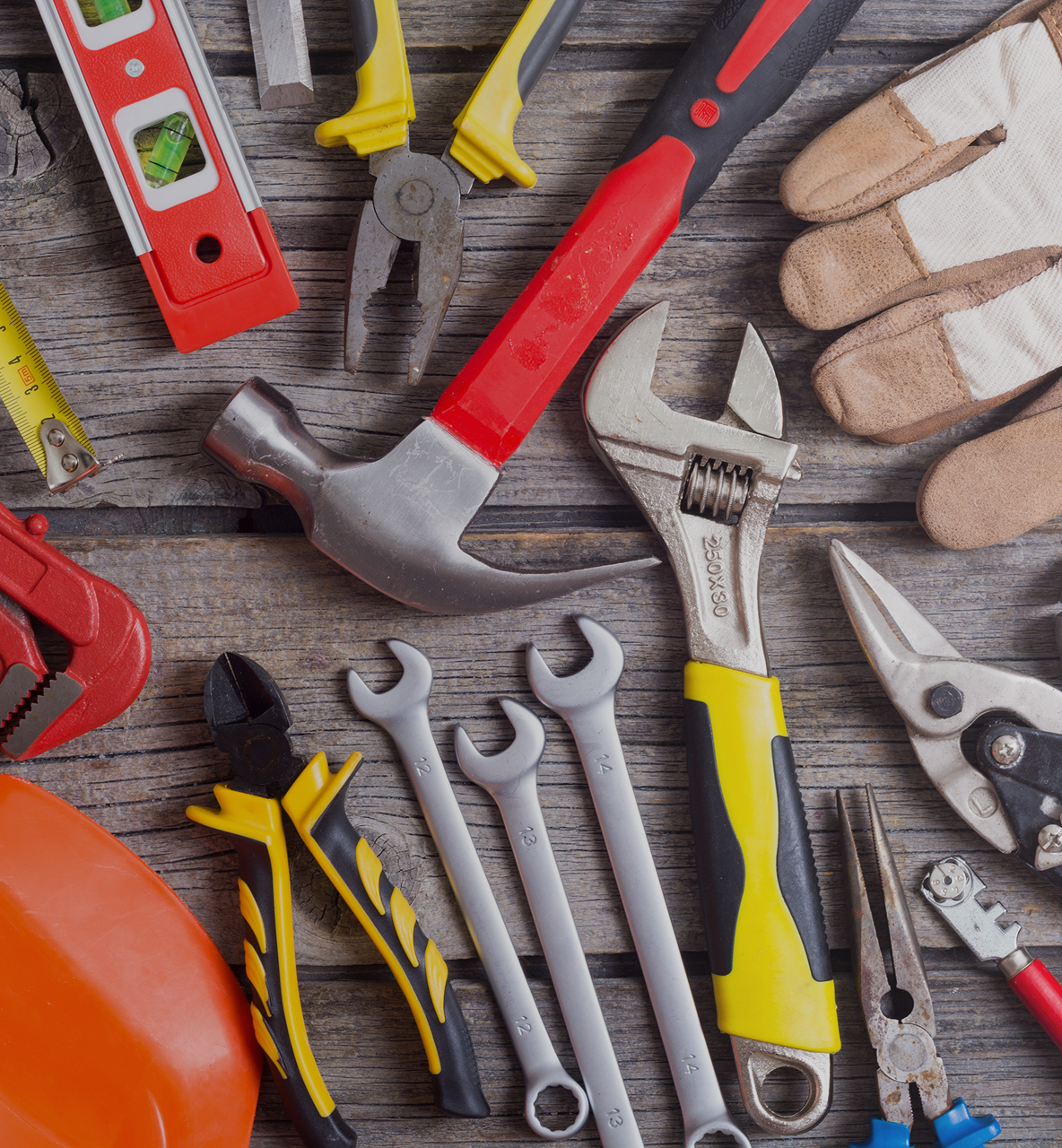
Tools & DIYTools & DIY use ABS, PA-GF, POM, and PC/ABS – price movements feed straight into robust, impact-resistant components.Learn more


pricenxt. Try it for 30 days.
Use pricenxt free for 30 days. Analyse price movements, forecasts and much more.
What makes polyamide regranulate distinctive?
Polyamide regranulate is technically demanding, because PA 6, PA 6.6, glass fibre content, colour, and moisture behaviour strongly affect where it can be used. Structured price data makes comparing price series easier.
Technical properties
PA regranulates can offer high toughness, abrasion resistance, and temperature resistance. Actual performance, however, depends heavily on the grade and its reprocessing.
- PA 6 and PA 6.6: different polymer bases lead to diverging property and price profiles.
- Glass fibre content: GF grades increase stiffness and heat deflection temperature.
- Moisture behaviour: conditioning and storage influence processing and component properties.

Market relevance
For technical converters, PA regranulate prices are relevant where approvals, specifications and material costs are assessed together.
- Grade focus: natural, black and GF price series should be analysed separately.
- Procurement: price series support the assessment of sourcing alternatives.
- Calculation: historical data help document quotation and project assumptions.
Analysis in pricenxt
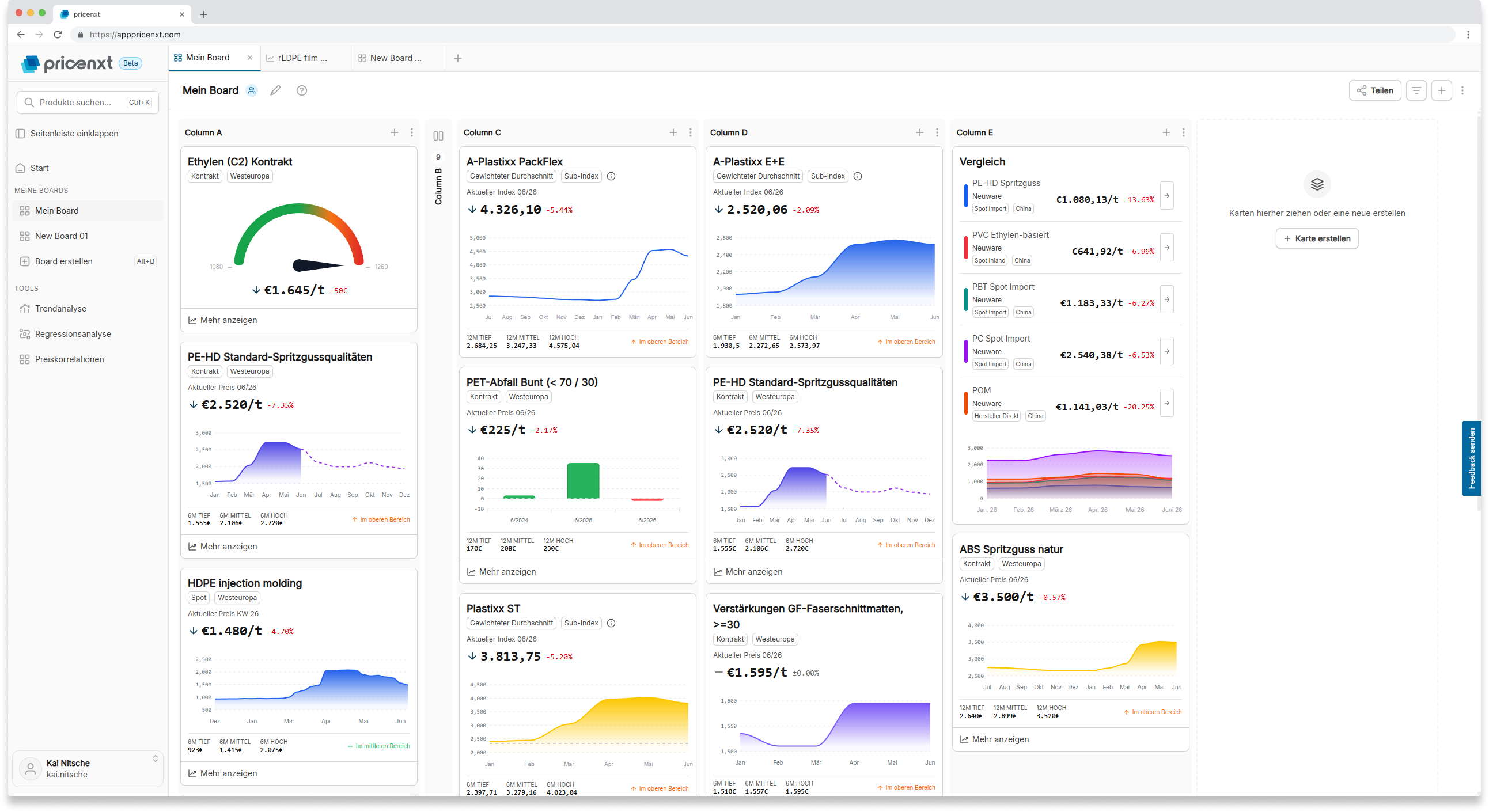
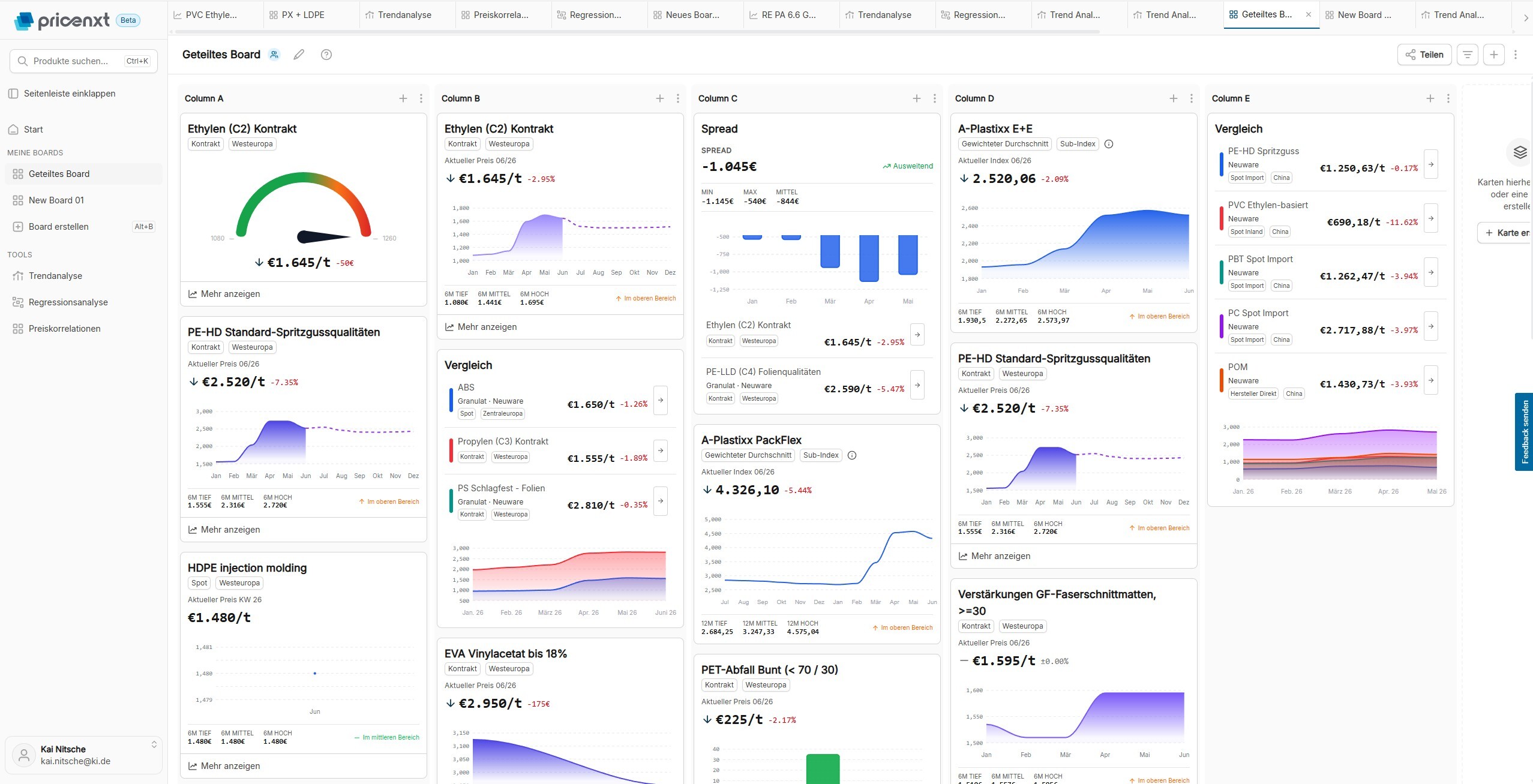
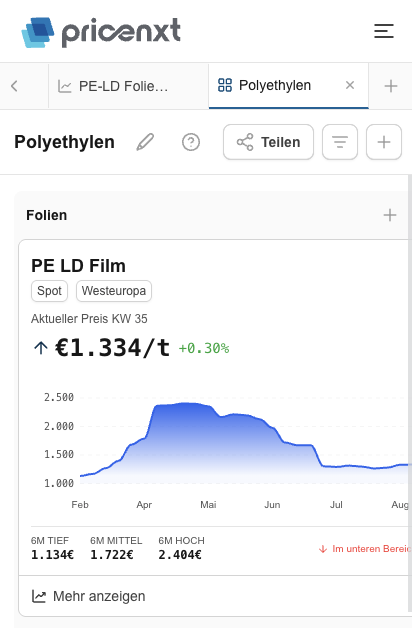
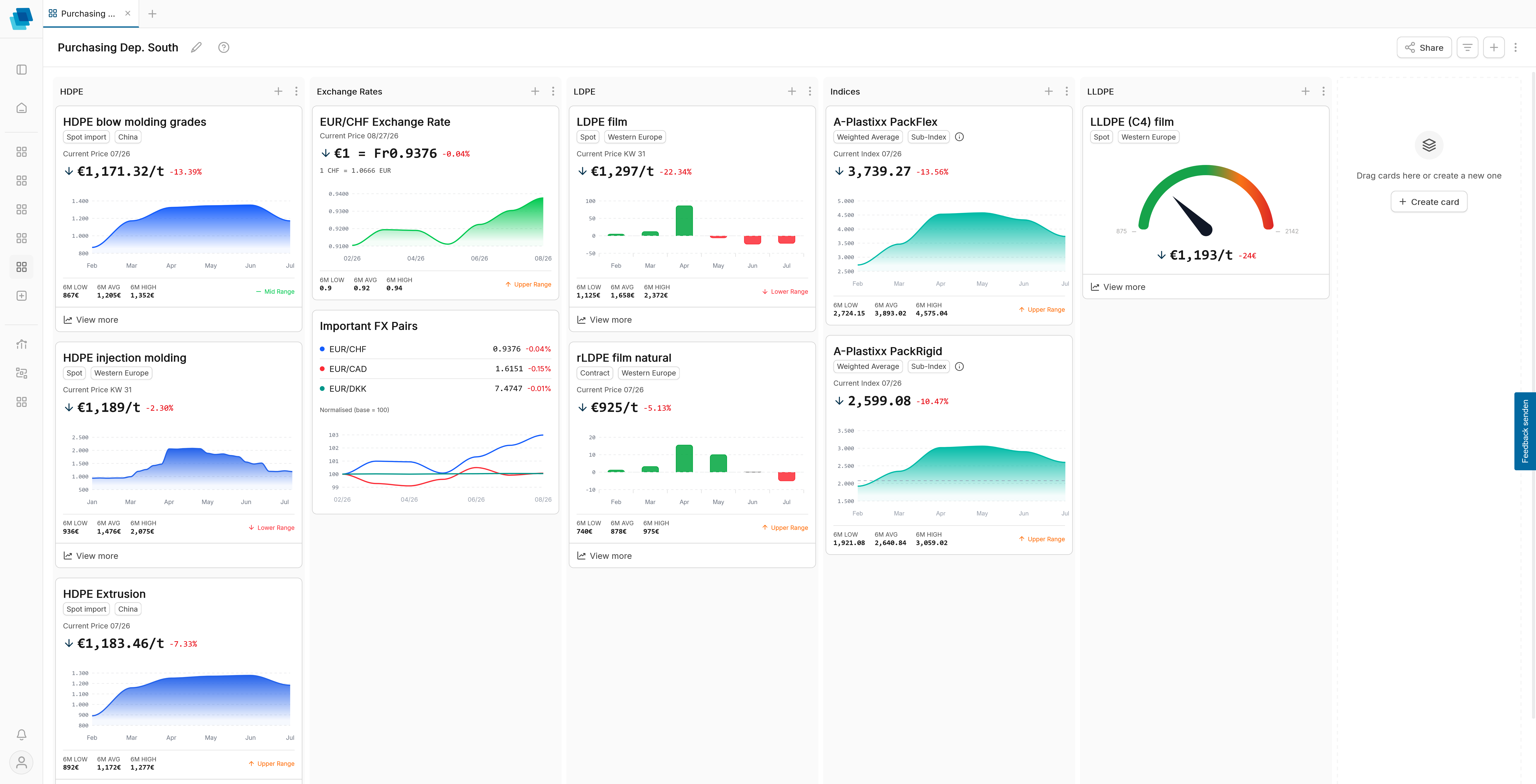
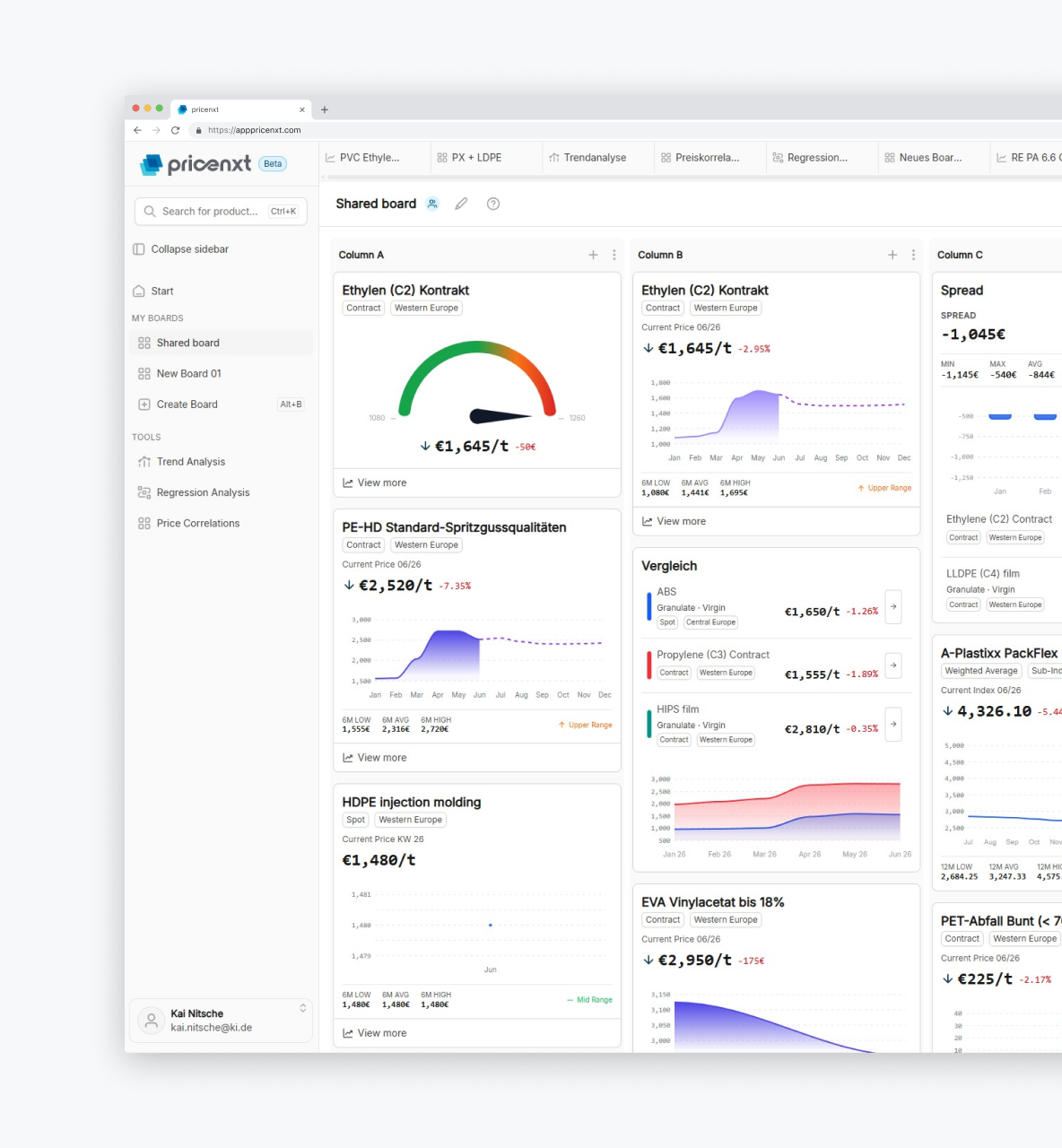
In pricenxt, PA regranulate price series can be filtered, compared in charts, and saved as price cards on boards.
- Multi-price series comparison: PA6, PA6.6, natural, black and GF series can be viewed together.
- Statistics panel: key figures support a structured assessment of selected periods.
- Annotations: individual observations can be added directly in the chart.
Track market trends. Free of charge.
Use our Plastixx and A-Plastixx indices free of charge, with no time limit. Track price developments for standard and engineering plastics, as well as across selected application markets.