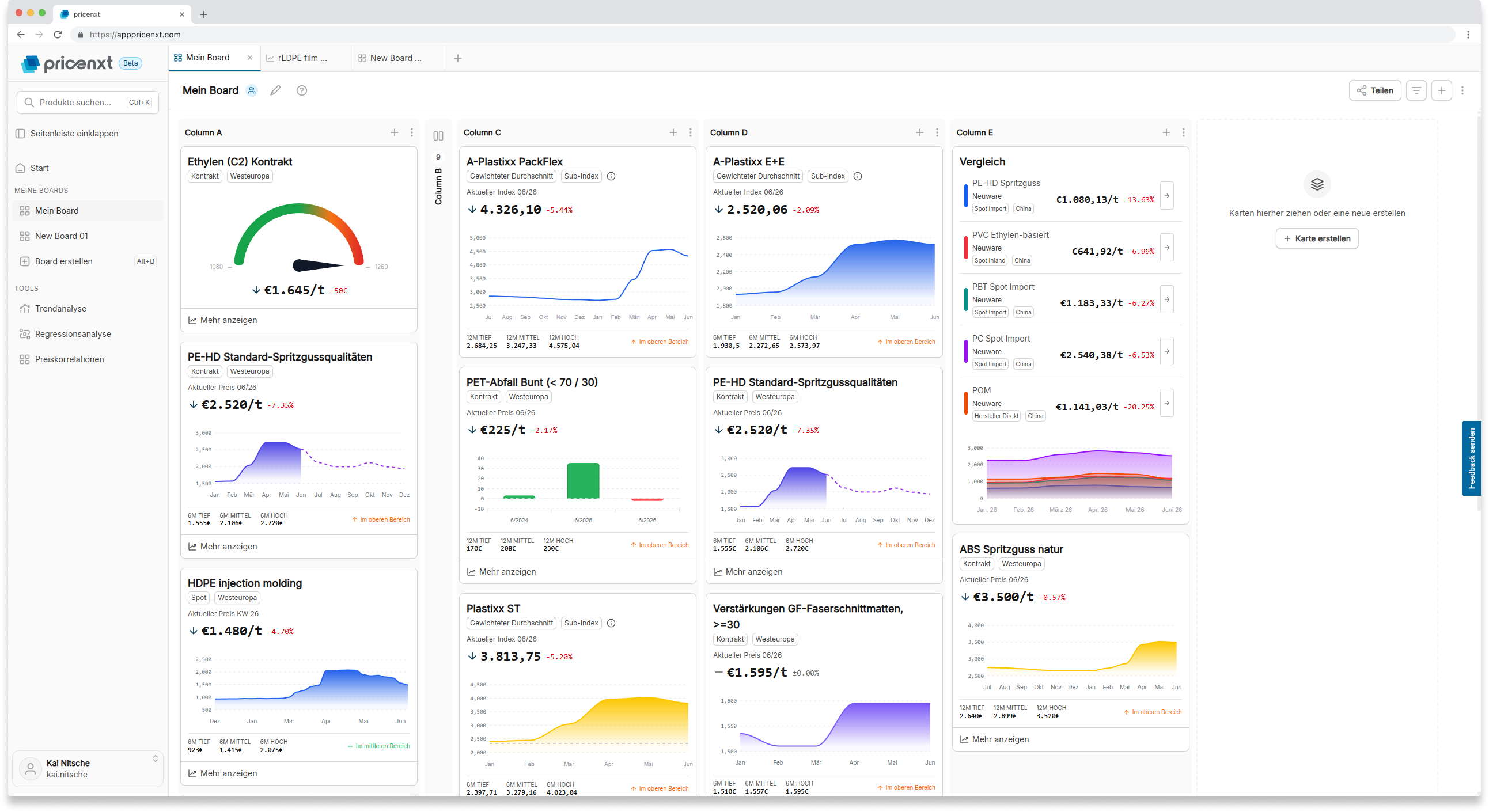


Material price data for ethylene
Companies that rely on pricenxt








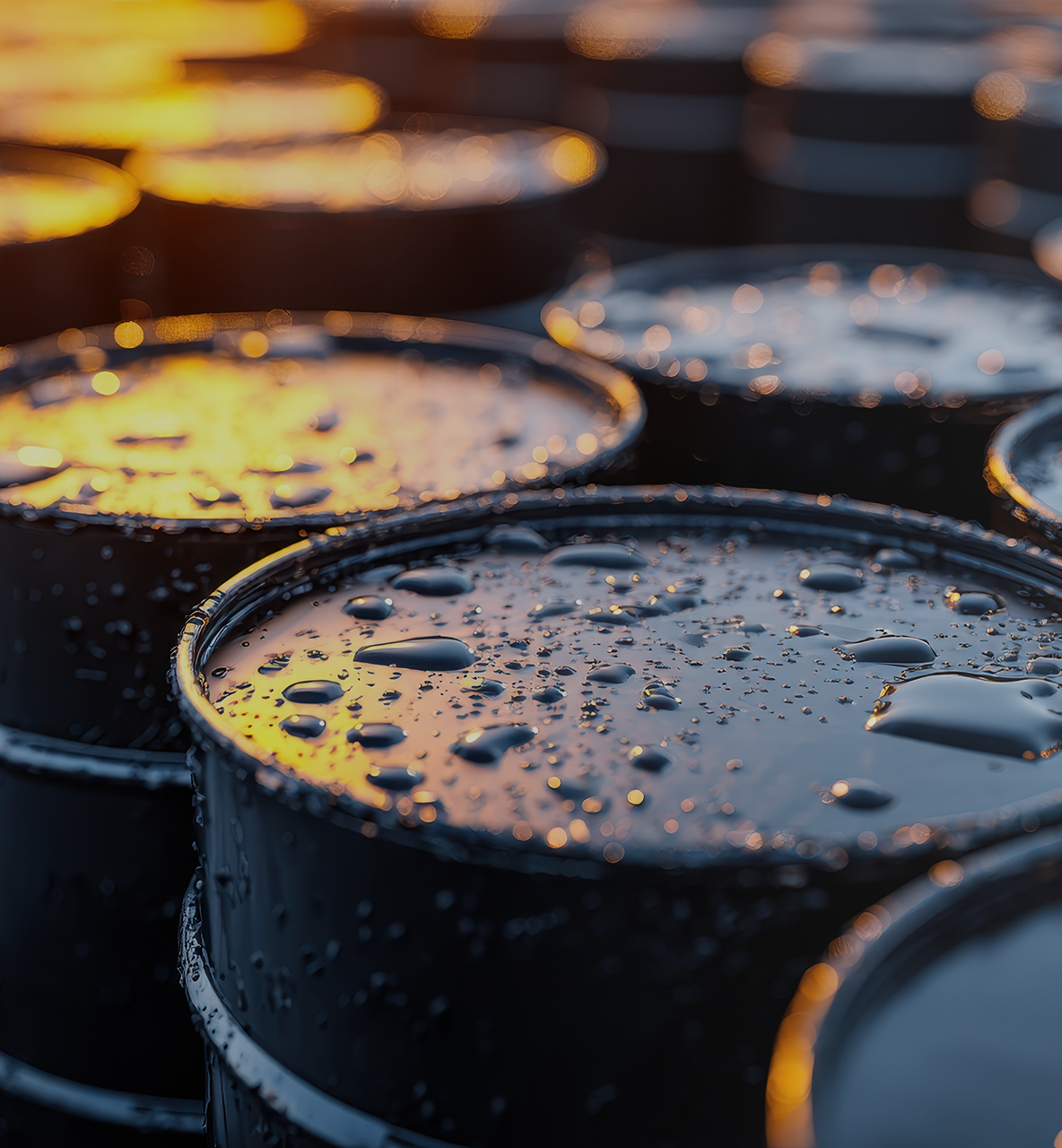
What is ethylene?
It is produced mainly in steam crackers and serves as the starting material for polyethylene (PE) and – via intermediate production steps such as EDC (ethylene dichloride) and VCM (vinyl chloride monomer), and via monoethylene glycol (MEG) – for PVC (polyvinyl chloride) and PET (polyethylene terephthalate).
For procurement, pricing, and commercial teams, ethylene prices are particularly relevant because they shape material costs across a broad range of downstream plastics and industrial applications.
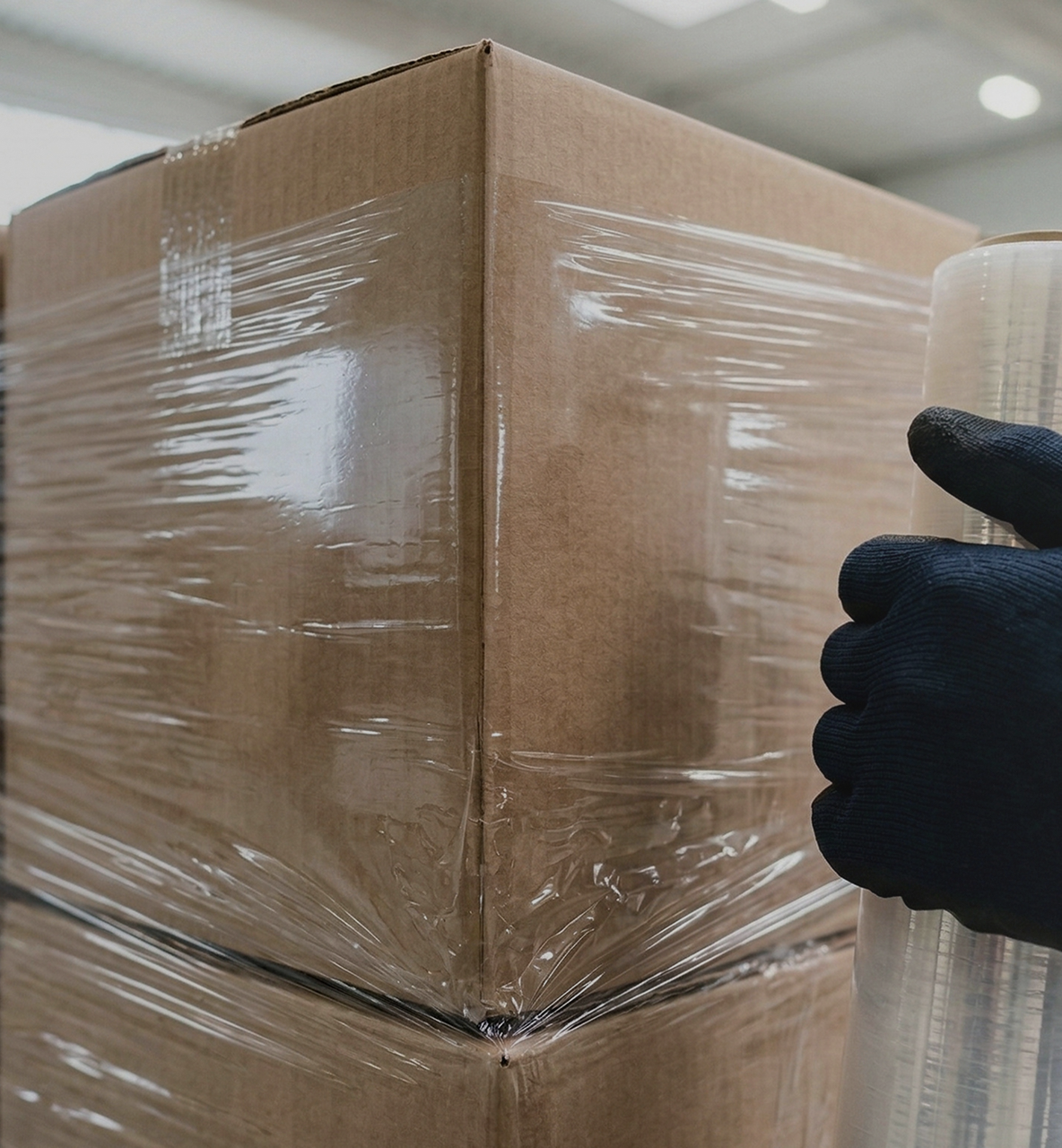
Where is ethylene used?
Via intermediate stages, ethylene also flows into PVC (construction, profiles, cables), and PET (beverage packaging), as well as into ethylene oxide/glycol and further C2 derivatives.
Recycled, revalued, repriced: PCR plastics to 2032
Top 5 application markets for ethylene
-
Food packagingFood packaging uses large volumes of PE, PP, and PET – price movements feed directly into unit costs.Learn more
-
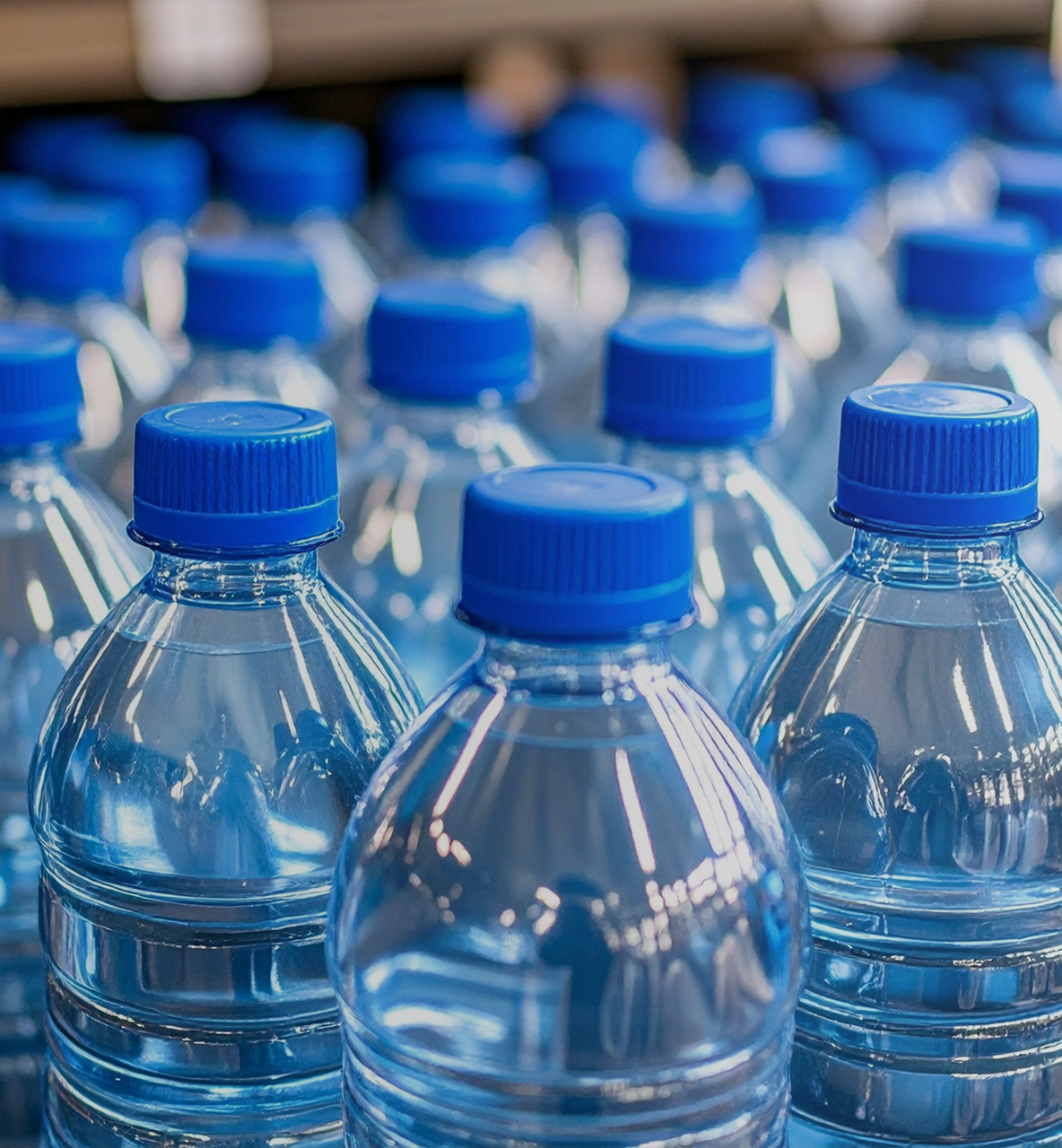
Beverage packagingBeverage packaging is strongly PET-driven – PET price movements feed through particularly directly here.Learn more
-
Industrial packagingIndustrial packaging consumes large volumes of PE and PP – from stretch films to jerrycans, polymer prices feed directly into unit costs.Learn more
-
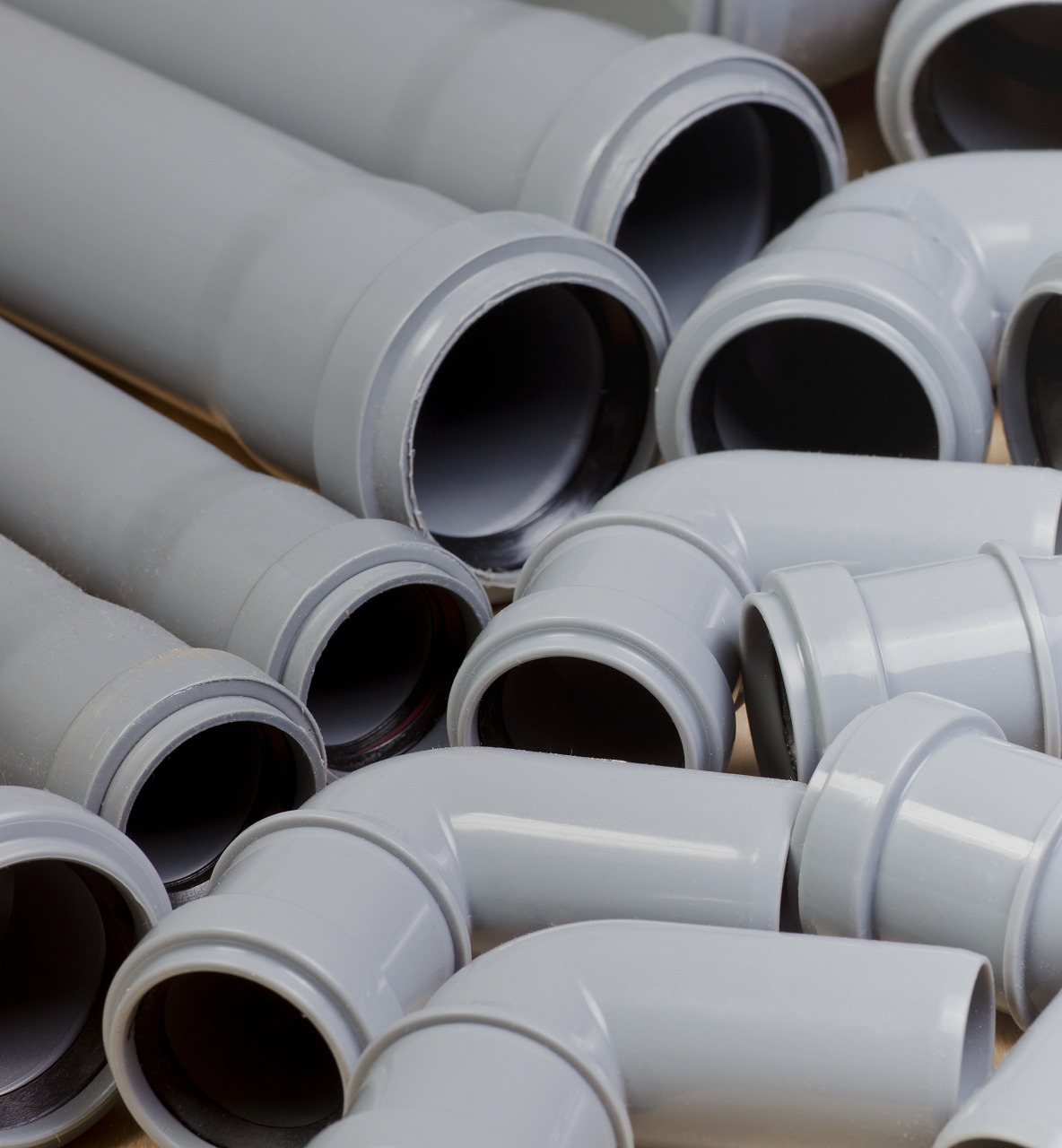
PipesPipes consist predominantly of HDPE, PVC, and PP – price movements feed directly into the cost per metre.Learn more
-
WindowsWindow profiles consist predominantly of rigid PVC – price movements in the polymer and in compounds feed directly into profile costs.Learn more



pricenxt. Try it for 30 days.
Use pricenxt free for 30 days. Analyse price movements, forecasts and much more.
What makes ethylene distinctive?
Raw material and price logic
As the C2 base monomer, ethylene links steam cracker economics with demand from PE, PVC, and PET. The result is price movements that become visible across many downstream applications.
- C2 base monomer: ethylene is the starting material for polyethylene and numerous chemical intermediates.
- Contract and spot perspective: several transaction types allow different trading logics to be compared.
- Downstream relevance: movements can influence material costs in packaging, construction, and industry.

Market relevance
Ethylene prices are relevant for companies that purchase, cost or have to allow for PE-, PVC- or PET-related materials in price negotiations.
- Procurement: teams can factor price movements into their purchasing plans at an early stage.
- Pricing: price series support structured discussions on material costs and price adjustment mechanisms.
- Controlling: price histories help document cost assumptions in a traceable way.
Analysis in pricenxt
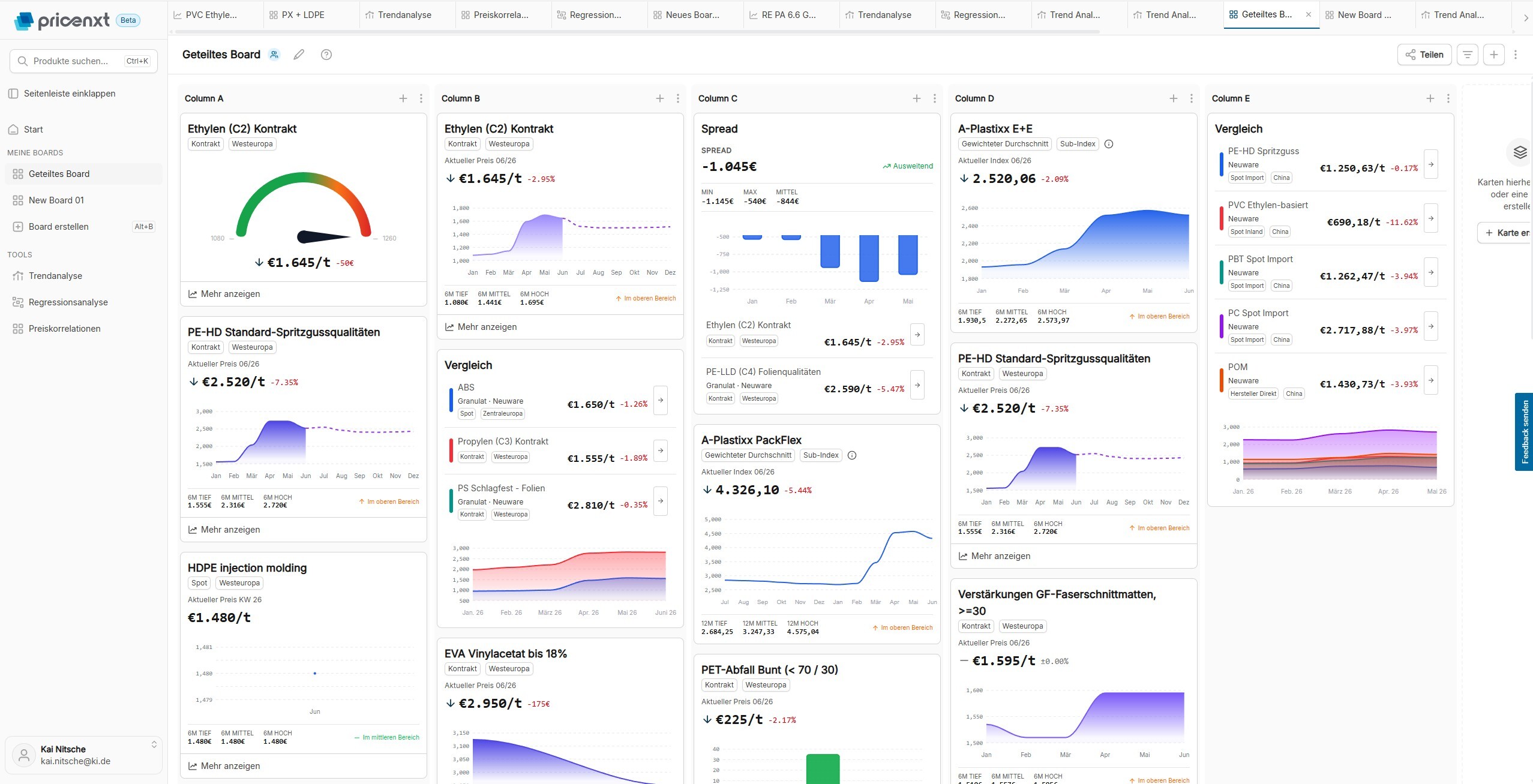
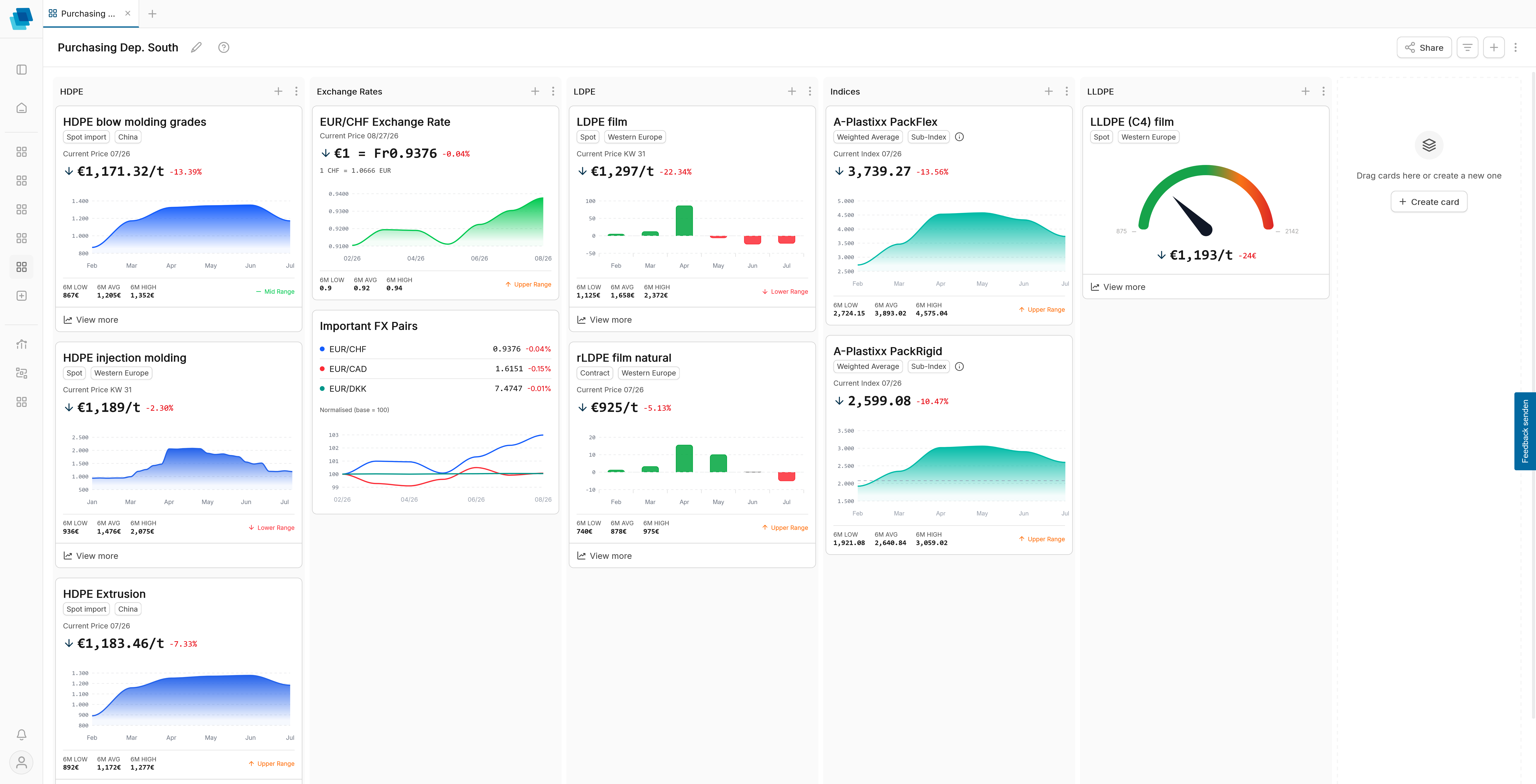
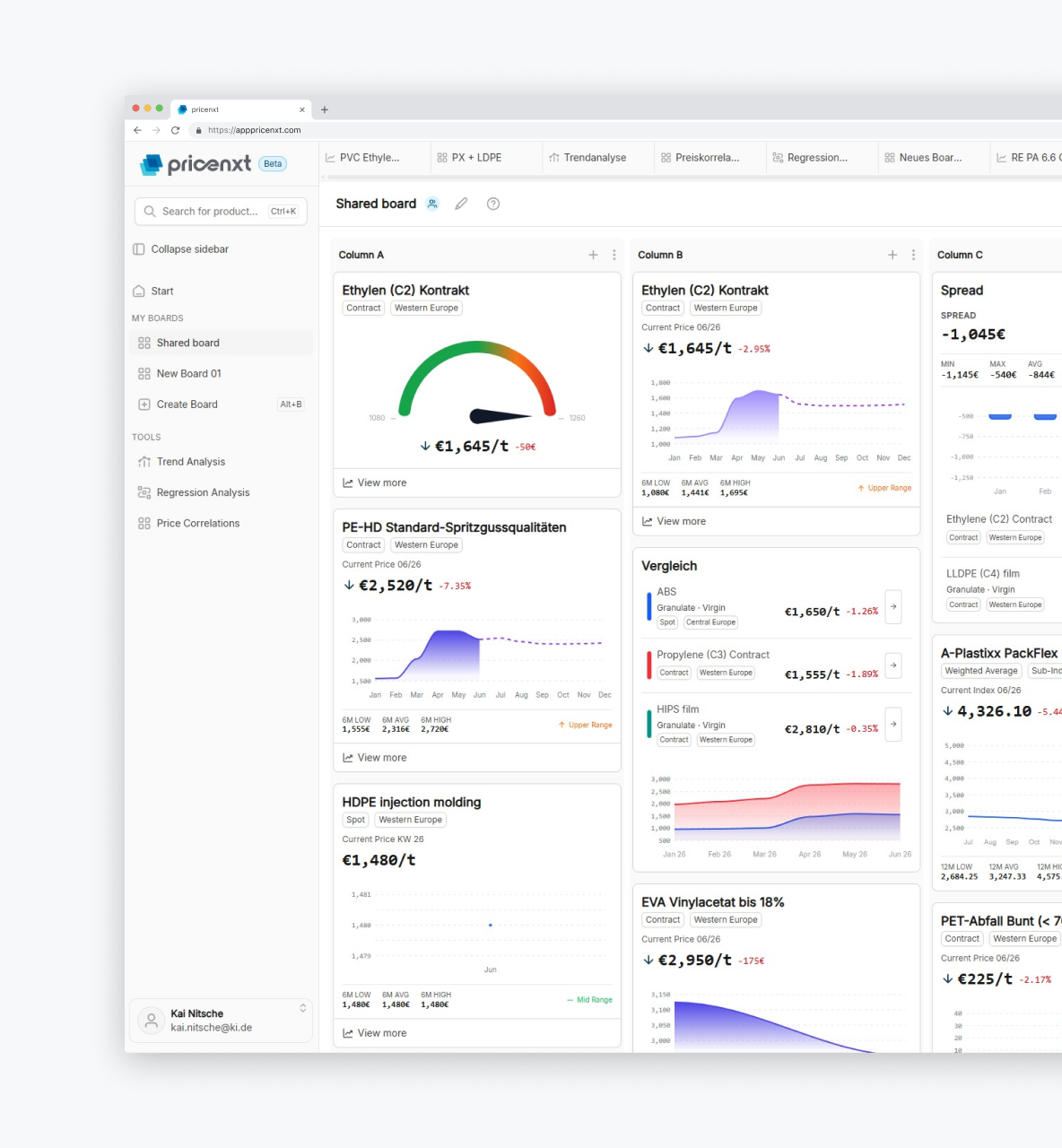
In pricenxt, ethylene price data can be analysed in a structured way using configurable filters, interactive charts, and boards.
- Variant comparison: contract and spot series can be set against one another in a single chart.
- Period analysis: you choose the observation period freely and add trend lines or regressions.
- Saving to boards: relevant analyses can be saved as a card on a board and shared.
Track market trends. Free of charge.
Use our Plastixx and A-Plastixx indices free of charge, with no time limit. Track price developments for standard and engineering plastics, as well as across selected application markets.