Polymer price data for automotive technology
Automotive technology converts large volumes of engineering thermoplastics into engine, transmission, and electrical components – material prices are a central cost driver here.
Companies that rely on pricenxt









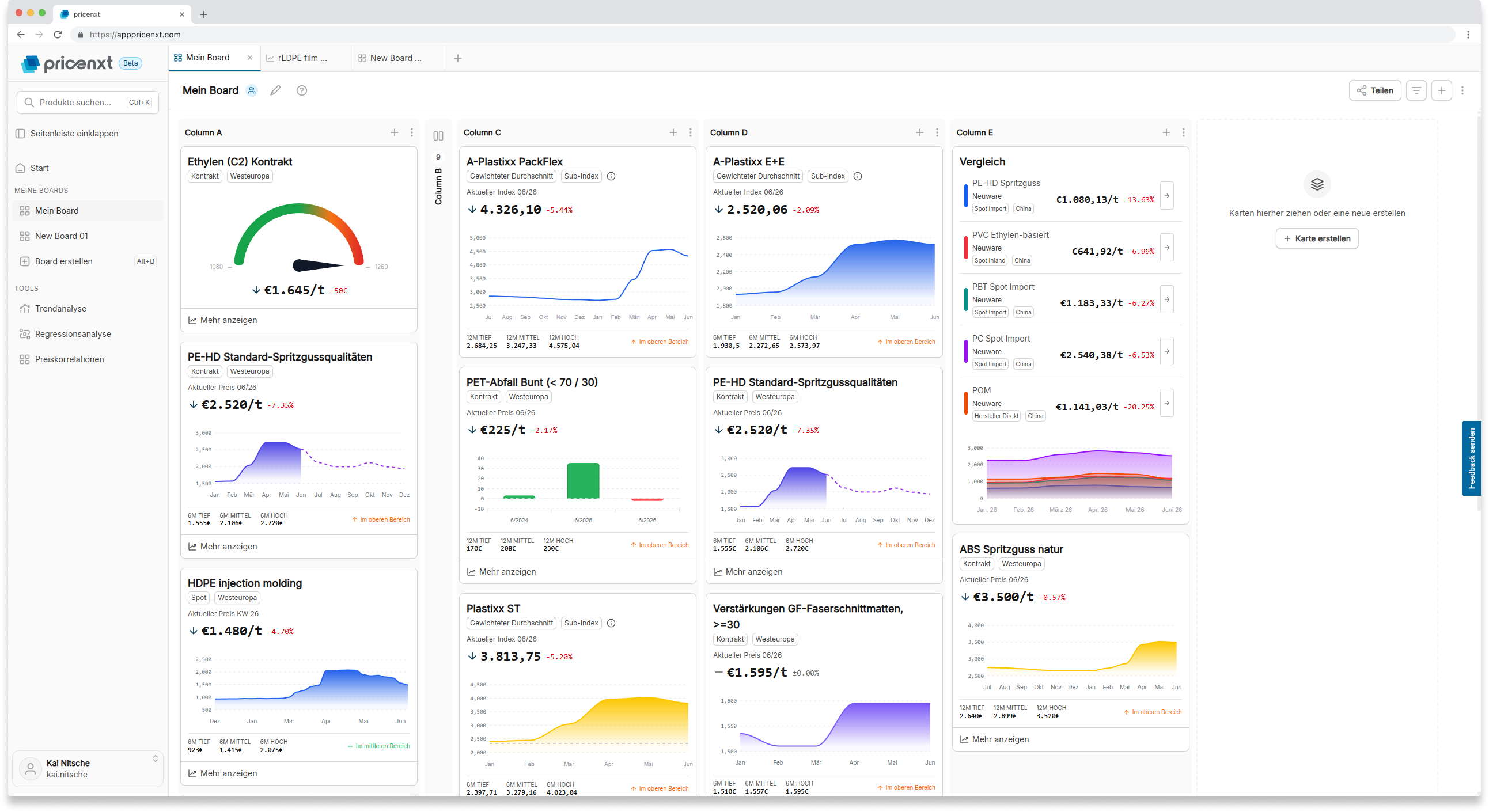
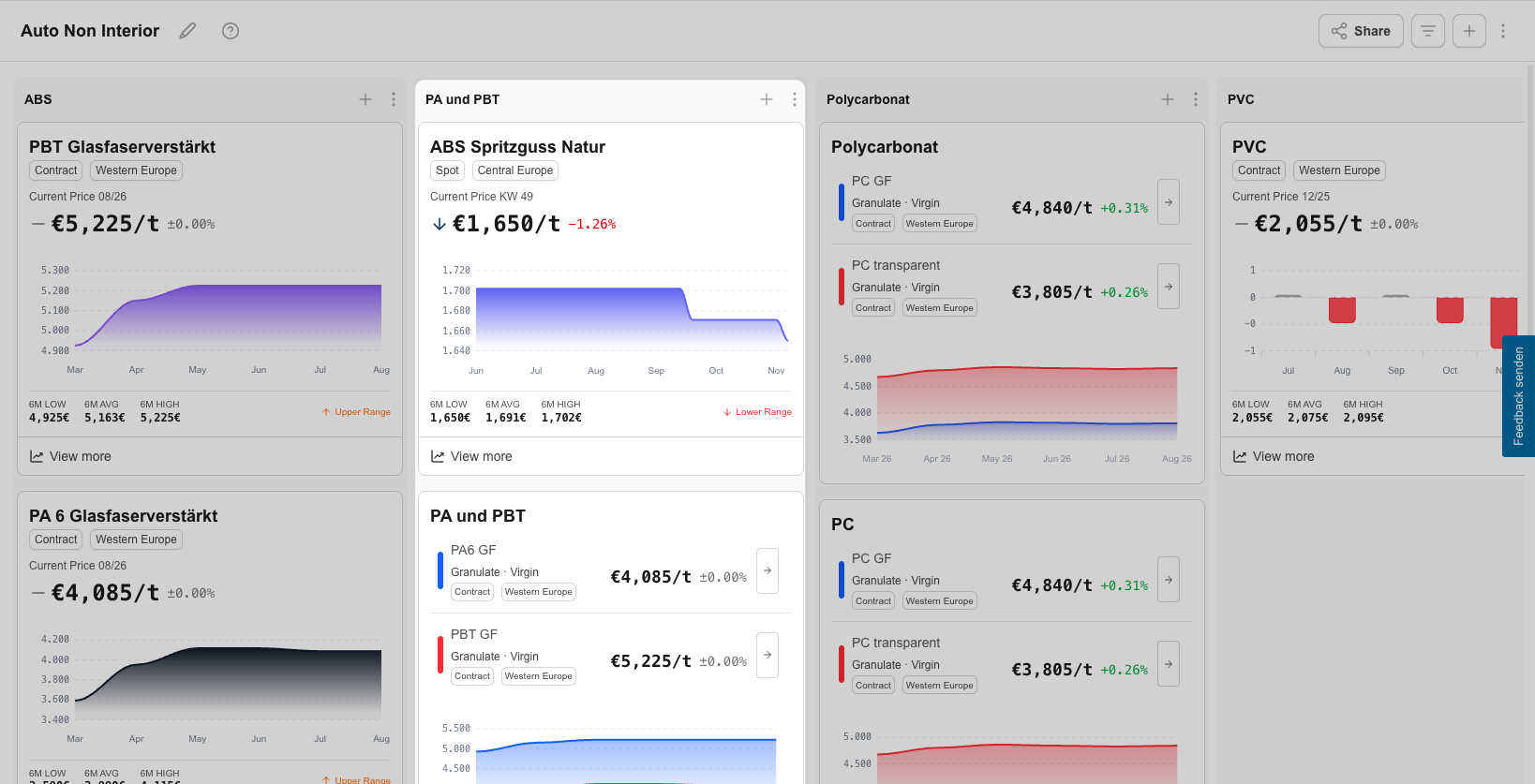
pricenxt in the automotive technology sector
With pricenxt Analytics, teams capture price developments faster, compare price series, and build up their own structured market monitoring.
Why polymer prices matter for automotive technology:
Vehicle components are manufactured in high volumes; price movements in engineering thermoplastics such as PA, PBT and POM feed straight through to production costs and calculation.
High share of engineering thermoplastics: engine, transmission, and electrical components mainly use higher-value plastics, whose price level shapes unit costs.
Many parallel materials: PA, PBT, POM and PC/ABS are combined according to requirement – and their prices move in different directions.
Long-term supply contracts: in automotive supply, transparent price data eases calculation and renegotiation over the life of the series.
Recycled, revalued, repriced: PCR plastics to 2032
Relevant segments for automotive technology
Explore how pricenxt supports individual areas of automotive technology – from Engines & transmissions through to Automotive electrical systems.
-
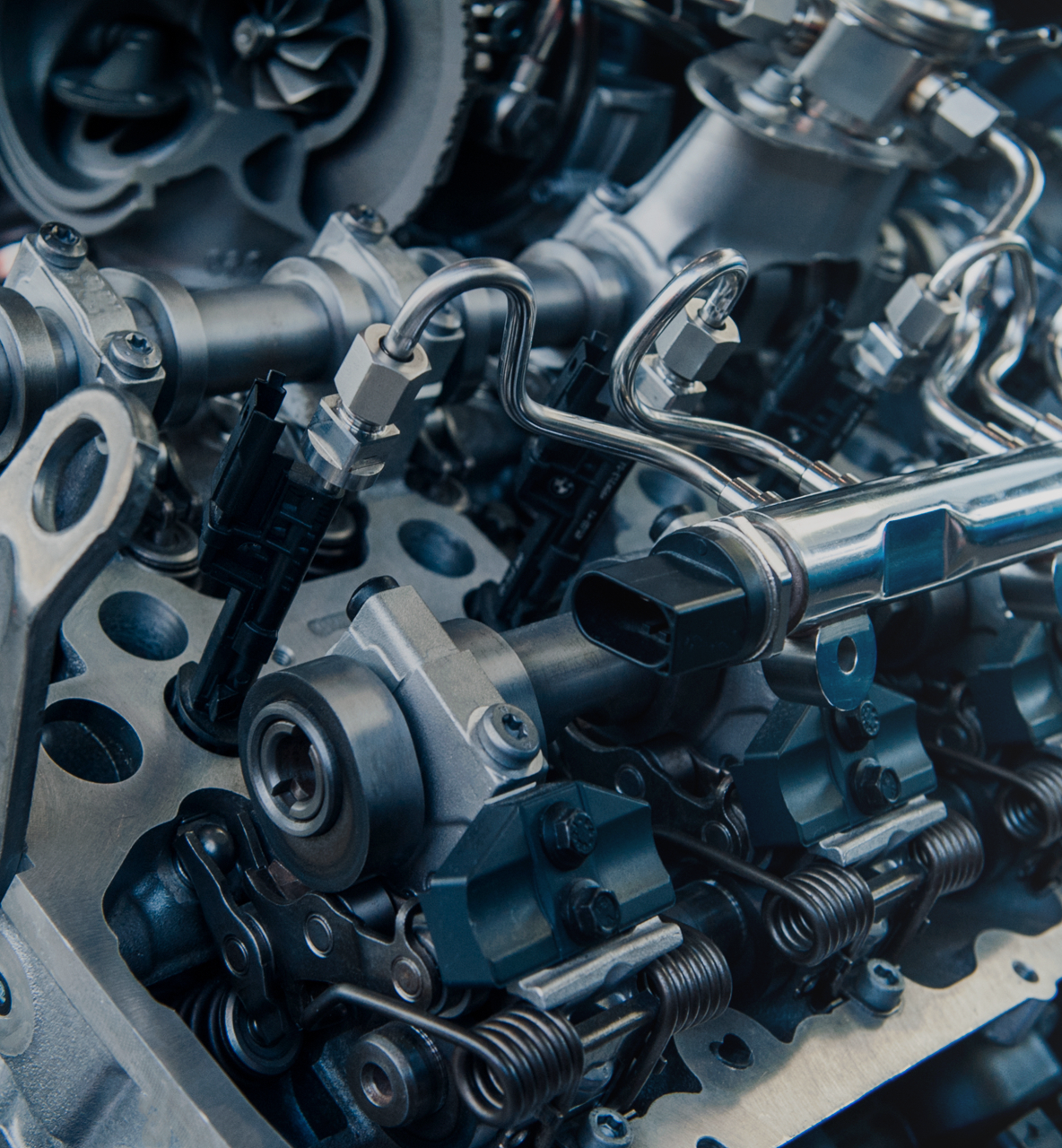
Engines & transmissionsEngine and transmission components use thermoplastics resistant to heat and media – price movements feed directly into component costs.Learn more
-
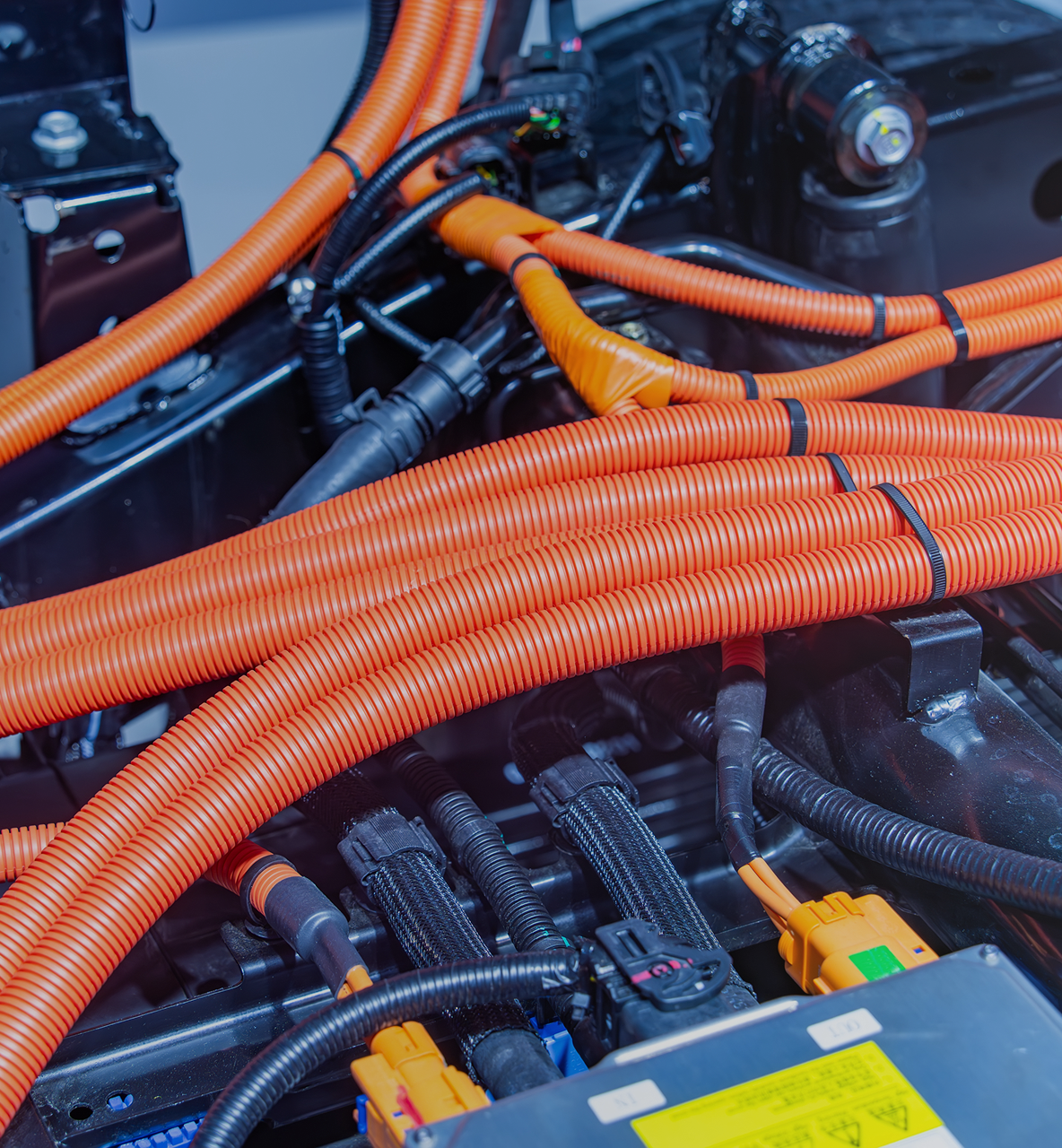
Automotive electrical systemsConnectors, housings and cables in on-board electrics use PA, PBT, and PVC – price movements feed directly into component costs.Learn more
pricenxt. Try it for 30 days.
Use pricenxt free for 30 days. Analyse price movements, forecasts and much more.
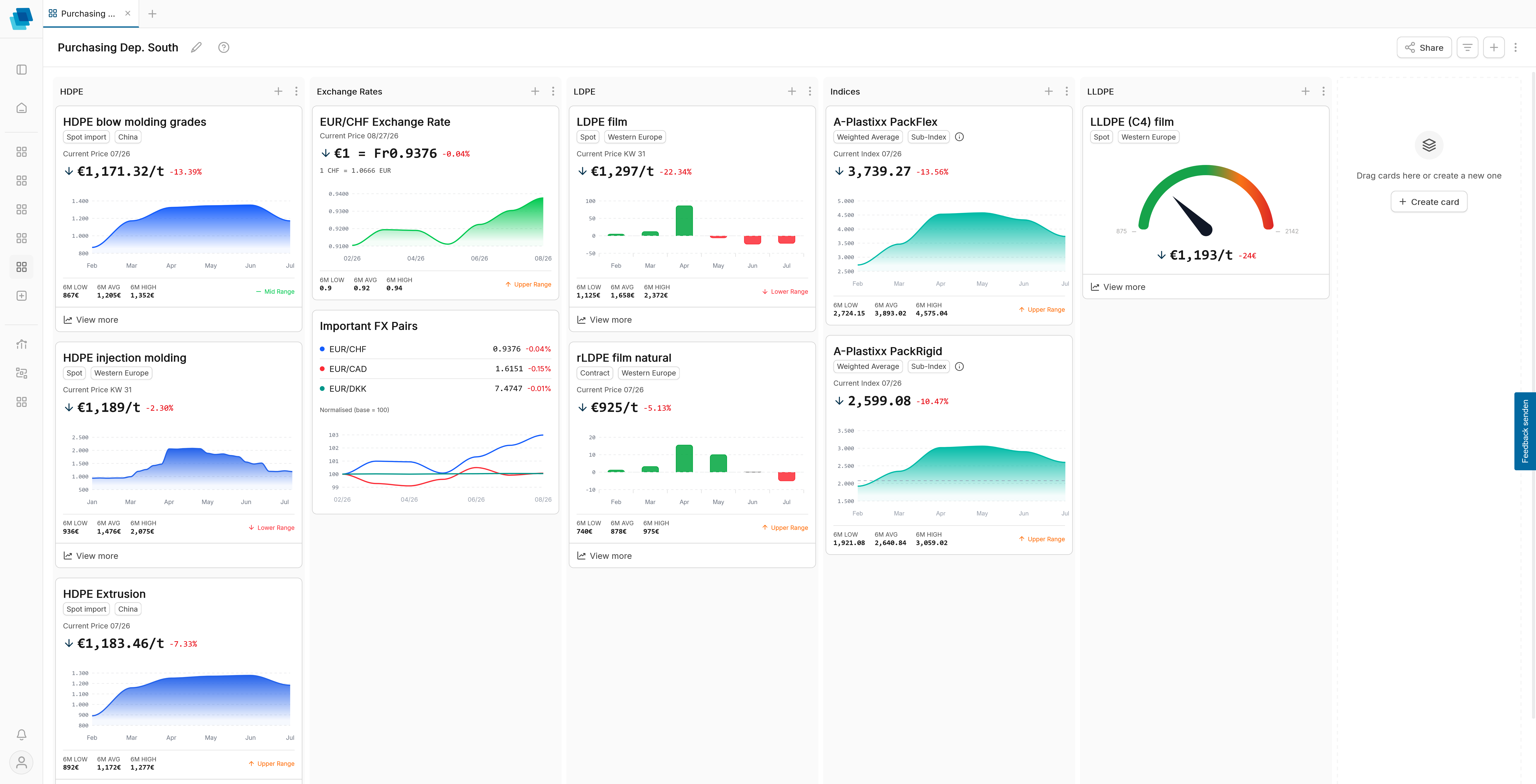
Track market trends. Free of charge.
Use our Plastixx and A-Plastixx indices free of charge, with no time limit. Track price developments for standard and engineering plastics, as well as across selected application markets.