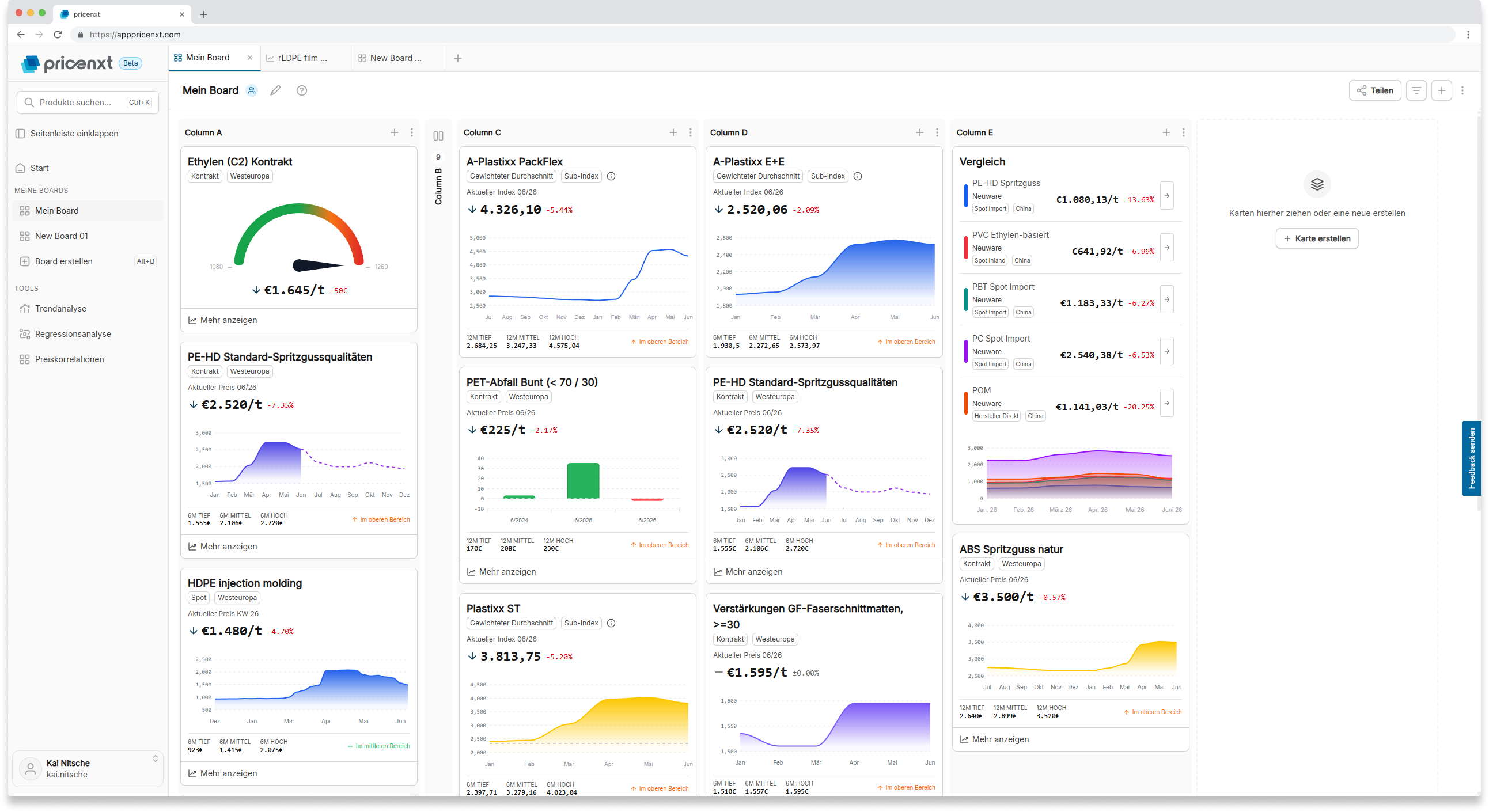
Polymer price data for consumer goods
Consumer goods are manufactured in high volumes and across a wide range of materials – from decorative articles and toys through to furniture. Price movements in the plastics used feed straight into calculation and competitiveness.
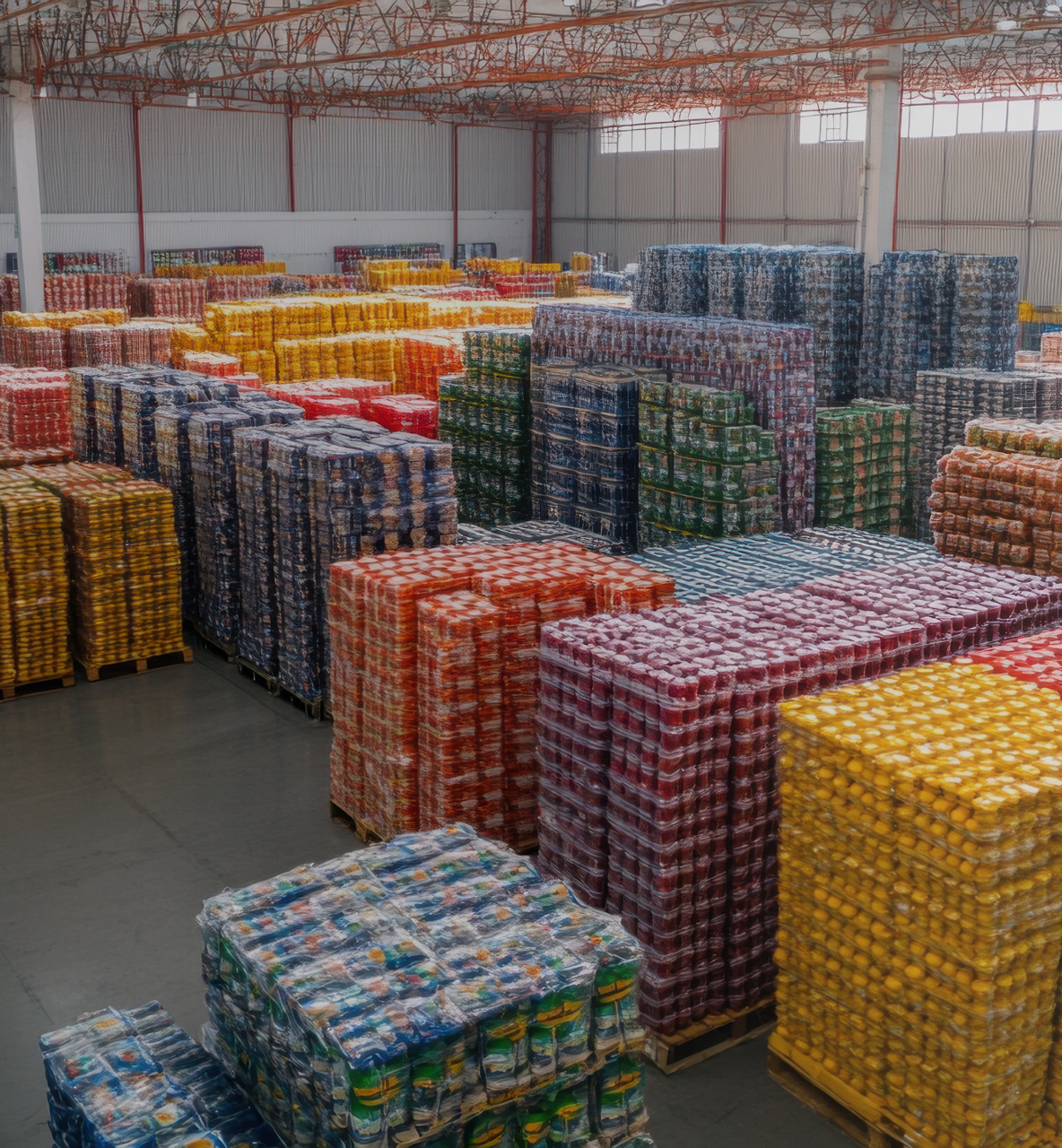
Companies that rely on pricenxt










pricenxt in the consumer goods sector
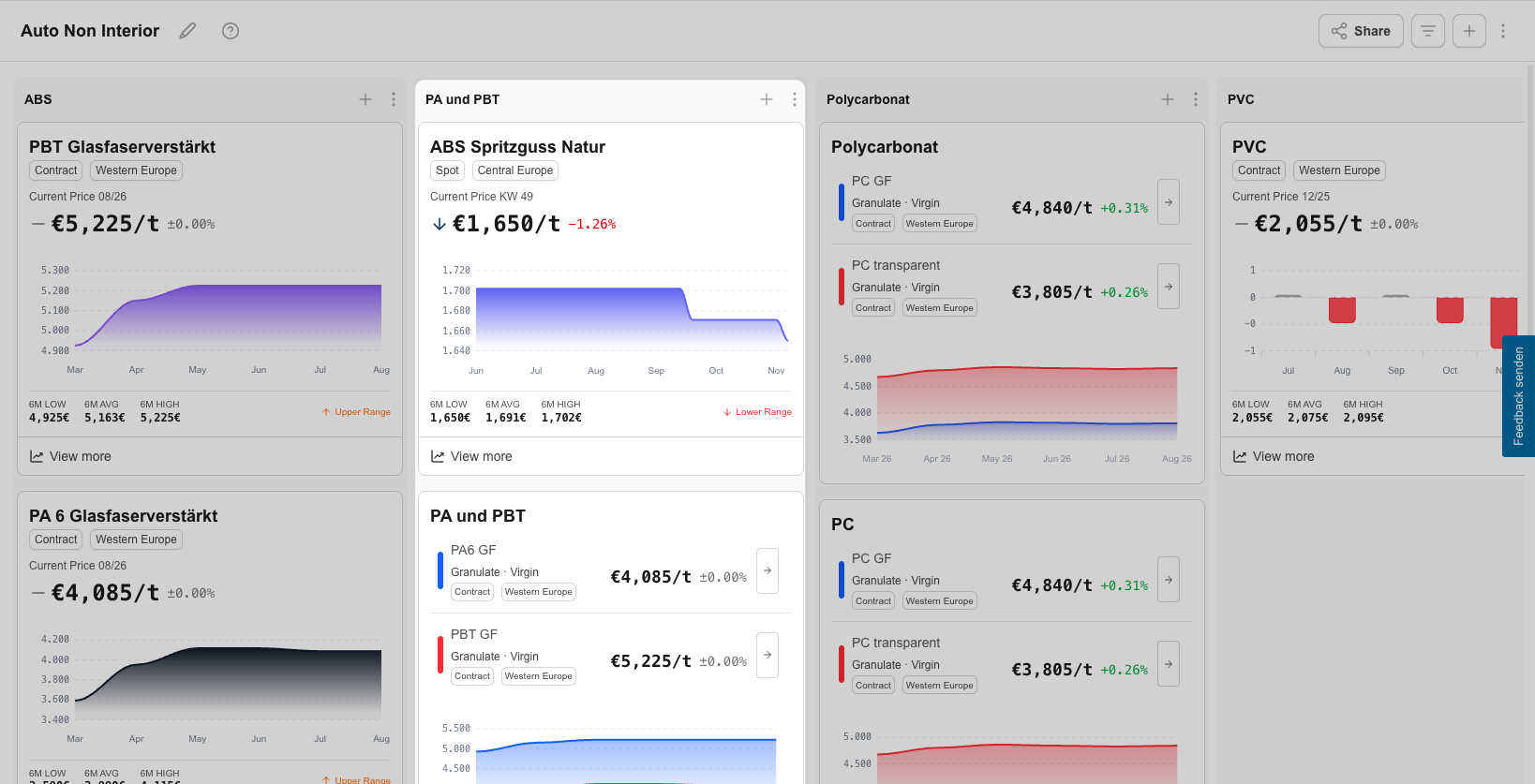
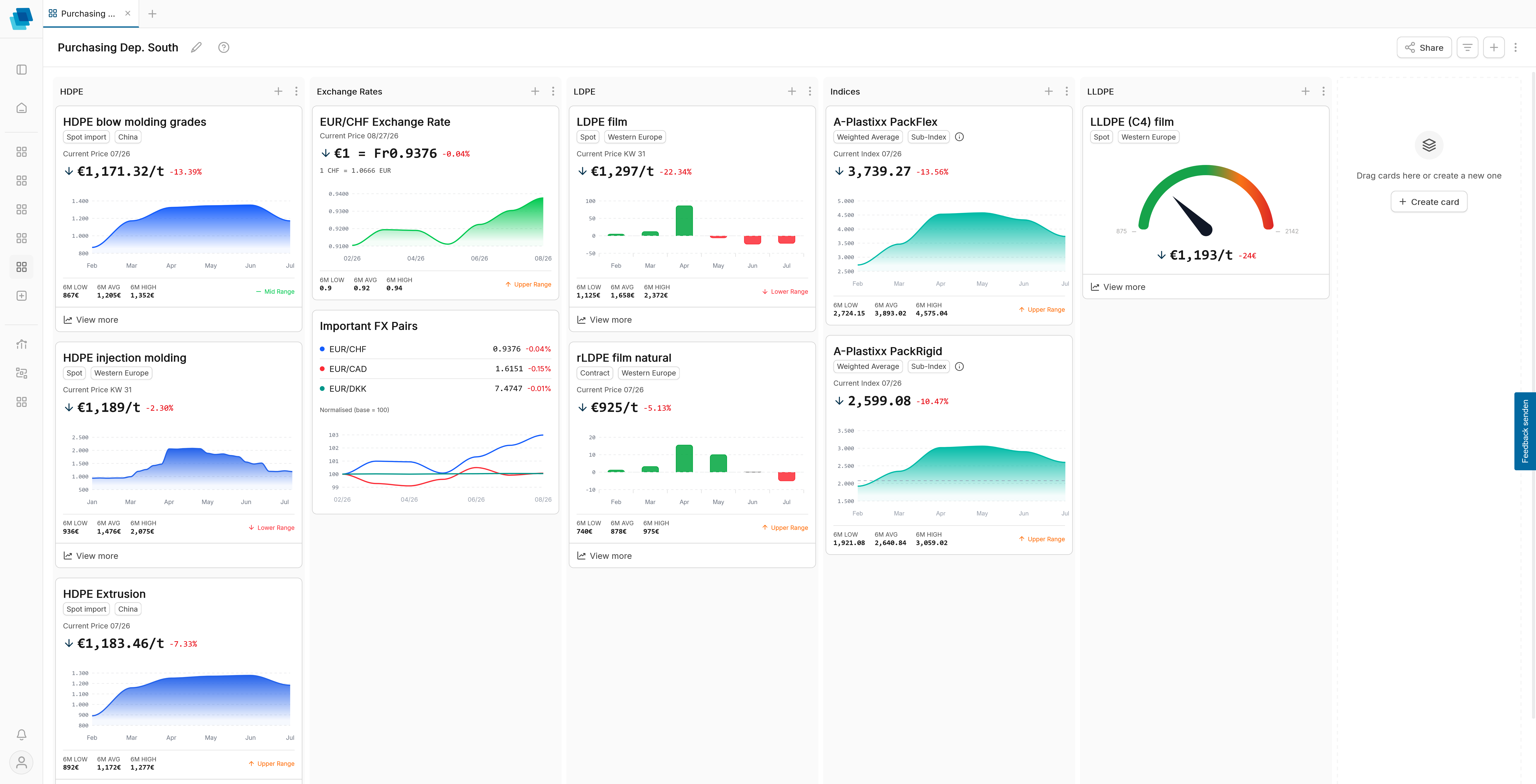
With pricenxt Analytics, teams capture price developments faster, compare price series, and build up their own structured market monitoring.
Why polymer prices matter for consumer goods:
Consumer goods are strongly price-driven and produced in large volumes; even small movements in the standard plastics used have a noticeable effect on production costs and retail margins.
Strong price pressure in retail: for margin-sensitive consumer goods, the material price often decides competitiveness.
Broad material spectrum: from PS and ABS through PP and PE to PVC and PET – the prices of these plastics develop differently.
Procurement predictability: transparent price developments make quotations, budgets, and supplier negotiations easier.
Recycled, revalued, repriced: PCR plastics to 2032
Relevant segments for consumer goods
Explore how pricenxt supports individual consumer goods segments – from decoration and toys through to furniture and garden.
-
DecorationDecorative articles use PS, PMMA, PP, and PVC – in price-sensitive ranges, price movements feed straight into the margin.Learn more
-
Sports & leisureSports and leisure products use PP, PE, ABS, PA, and EVA – price movements feed straight into light, robust components.Learn more
-
ToysToys use large volumes of ABS, PP, PE, and PS – price movements feed straight into unit costs.Learn more
-
Office suppliesOffice supplies use PS, PP, ABS, PC, and PVC – for mass-produced items, price movements feed straight into the margin.Learn more
-
Furniture & furnishingsFurniture & furnishings use PUR foams, PP, PVC, and PA – price movements feed straight into upholstery, moulded parts, and fittings.Learn more
-
Tools & DIYTools & DIY use ABS, PA-GF, POM, and PC/ABS – price movements feed straight into robust, impact-resistant components.Learn more
-
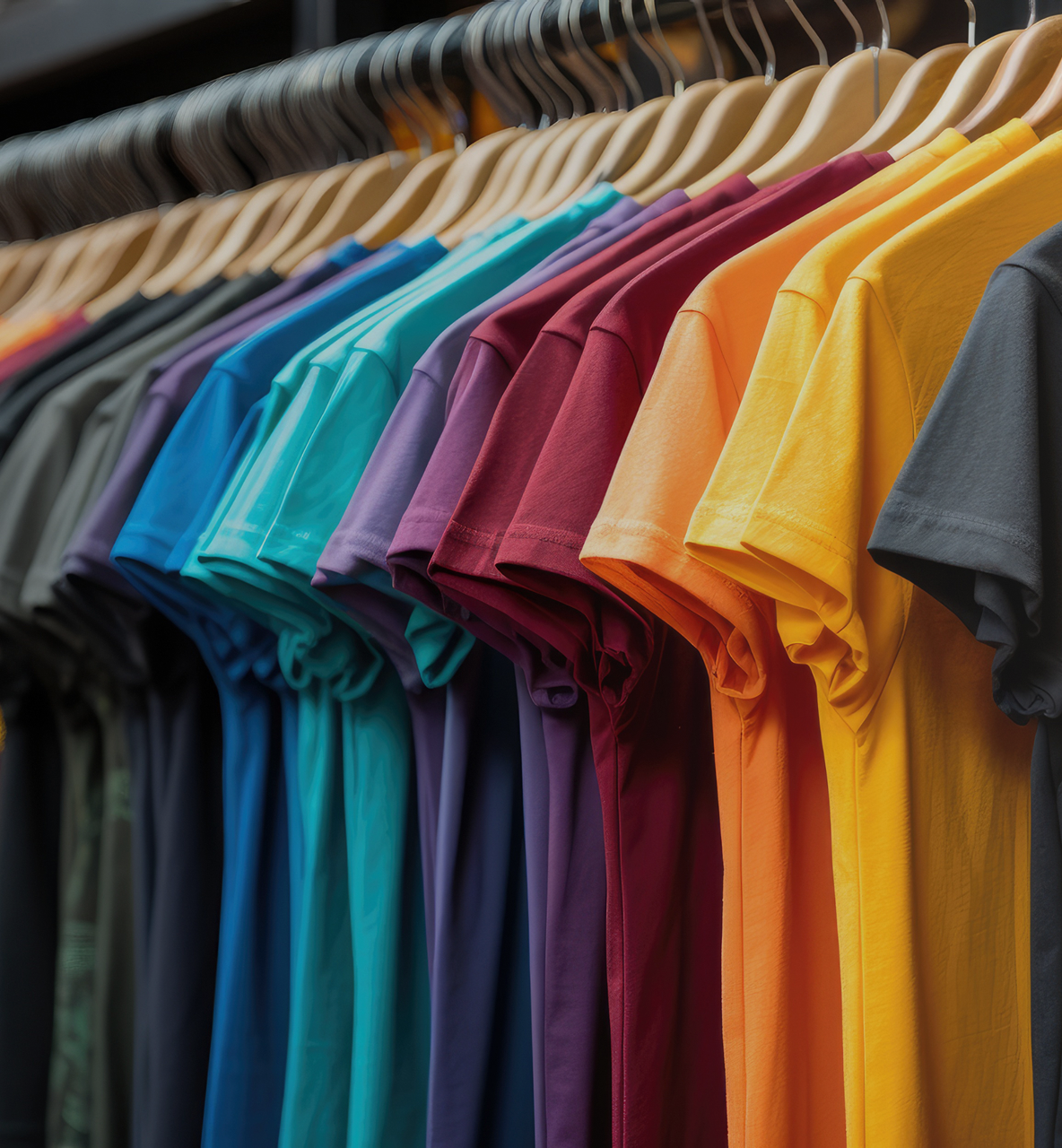
Textiles & clothingTextiles & clothing are based on PET, PA, PP, and PUR raw materials – price movements feed straight into fibre and material costs.Learn more
-
Garden & outdoorGarden & outdoor use PP, HDPE, PVC, PA-GF, and ABS – price movements feed straight into weather-resistant products.Learn more







pricenxt. Try it for 30 days.
Use pricenxt free for 30 days. Analyse price movements, forecasts and much more.
Track market trends. Free of charge.
Use our Plastixx and A-Plastixx indices free of charge, with no time limit. Track price developments for standard and engineering plastics, as well as across selected application markets.